







Deadly Days: Roadtrip presents itself as a lighthearted, darkly humorous roguelite set in a zombie apocalypse. Its art style is colorful, characters are exaggerated, and early encounters feel manageable. Yet this presentation hides a deeply punishing design philosophy. Unlike survival games that test reflexes or tactical execution in isolated moments, Deadly Days: Roadtrip tests memory, foresight, and restraint. The game’s most defining issue is not combat difficulty or enemy variety, but how early, seemingly minor decisions permanently shape the fate of the entire road trip. This article explores how Deadly Days: Roadtrip transforms resource management and survivor personality into a long-term decision trap, where mistakes echo hours later and survival becomes a consequence of judgment rather than skill.
1. The Opening Run and the Comfort of Abundance
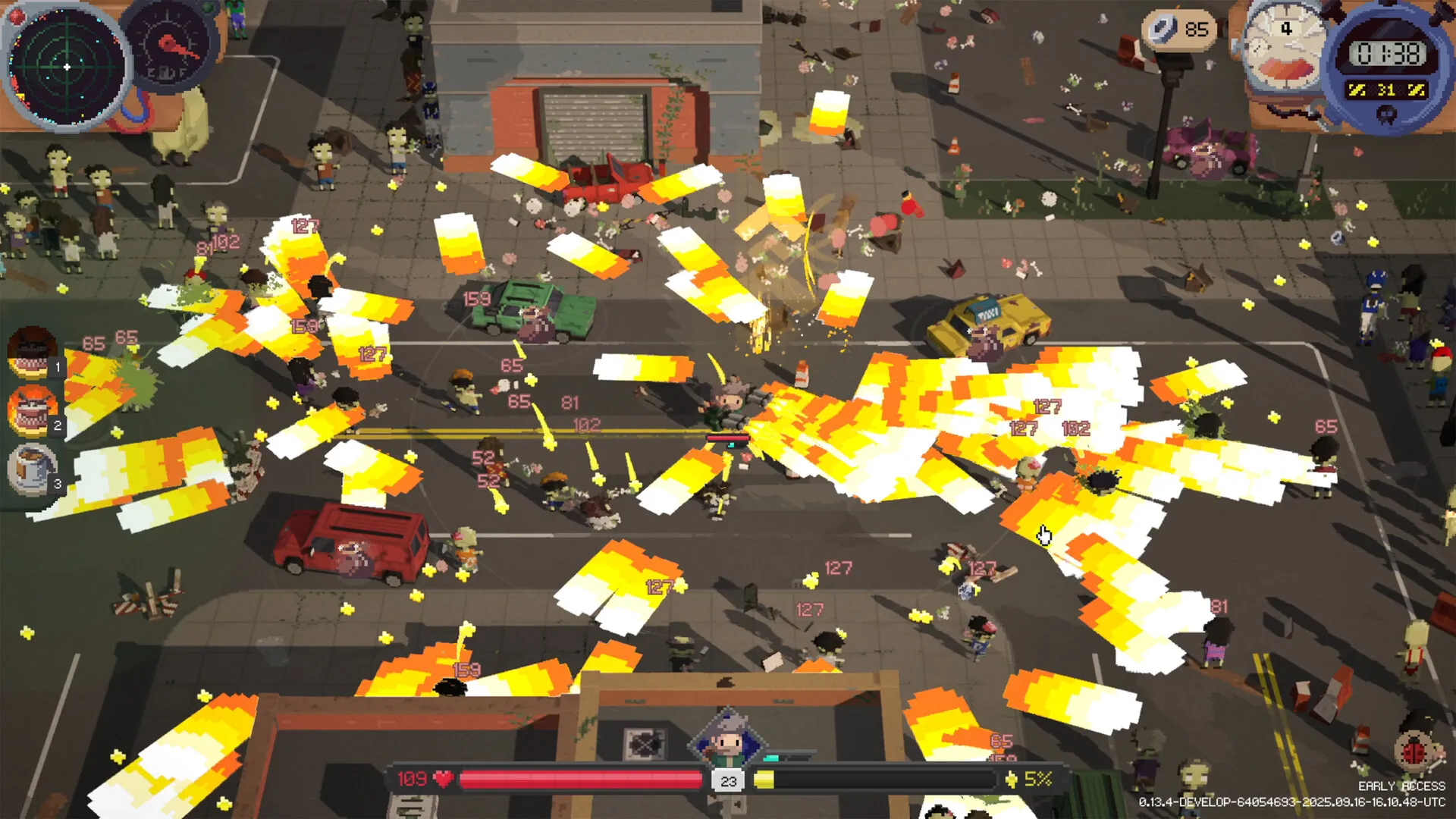
The early stages of Deadly Days: Roadtrip feel generous.
Food is plentiful, gas stations are frequent, and combat encounters are forgiving. Survivors rarely complain, and morale remains stable with minimal effort.
This abundance creates false confidence, encouraging players to spend resources freely and recruit without discrimination.
2. Survivors as Systems, Not Characters
Each survivor appears quirky and disposable at first glance.
However, beneath humor-driven traits lie complex statistical modifiers affecting hunger, stamina, stress, and combat behavior.
Personality as math
What feels like flavor text quietly determines long-term efficiency and liability.
3. Resource Consumption Compounds Invisibly
Food, fuel, and medical supplies drain faster with each additional survivor.
The scaling is subtle, rarely communicated clearly, and easy to underestimate.
Silent acceleration
By the time scarcity becomes obvious, the cost is already locked in.
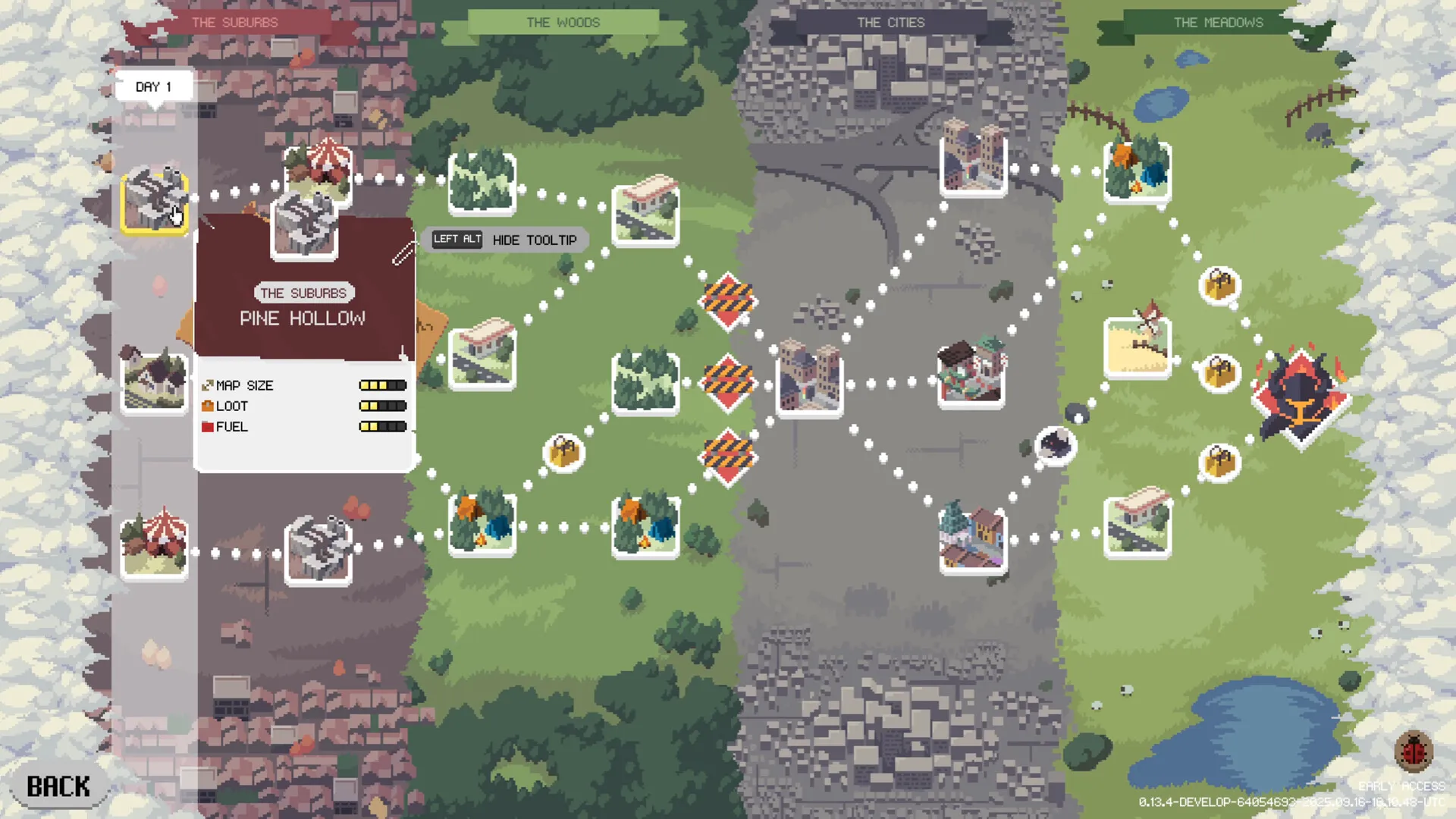
4. The Road Map and Illusion of Choice
Route selection suggests strategic freedom.
Players choose between safer roads and risky shortcuts, believing they can adapt later.
In reality, route choices determine resource flow far more than moment-to-moment decisions.
5. Combat Is a Resource Sink, Not a Skill Test
Combat rewards are inconsistent.
Ammo and healing gained rarely offset the cost of prolonged fights.
Winning still costs
Even flawless combat drains long-term sustainability, reframing victory as a trade-off rather than success.
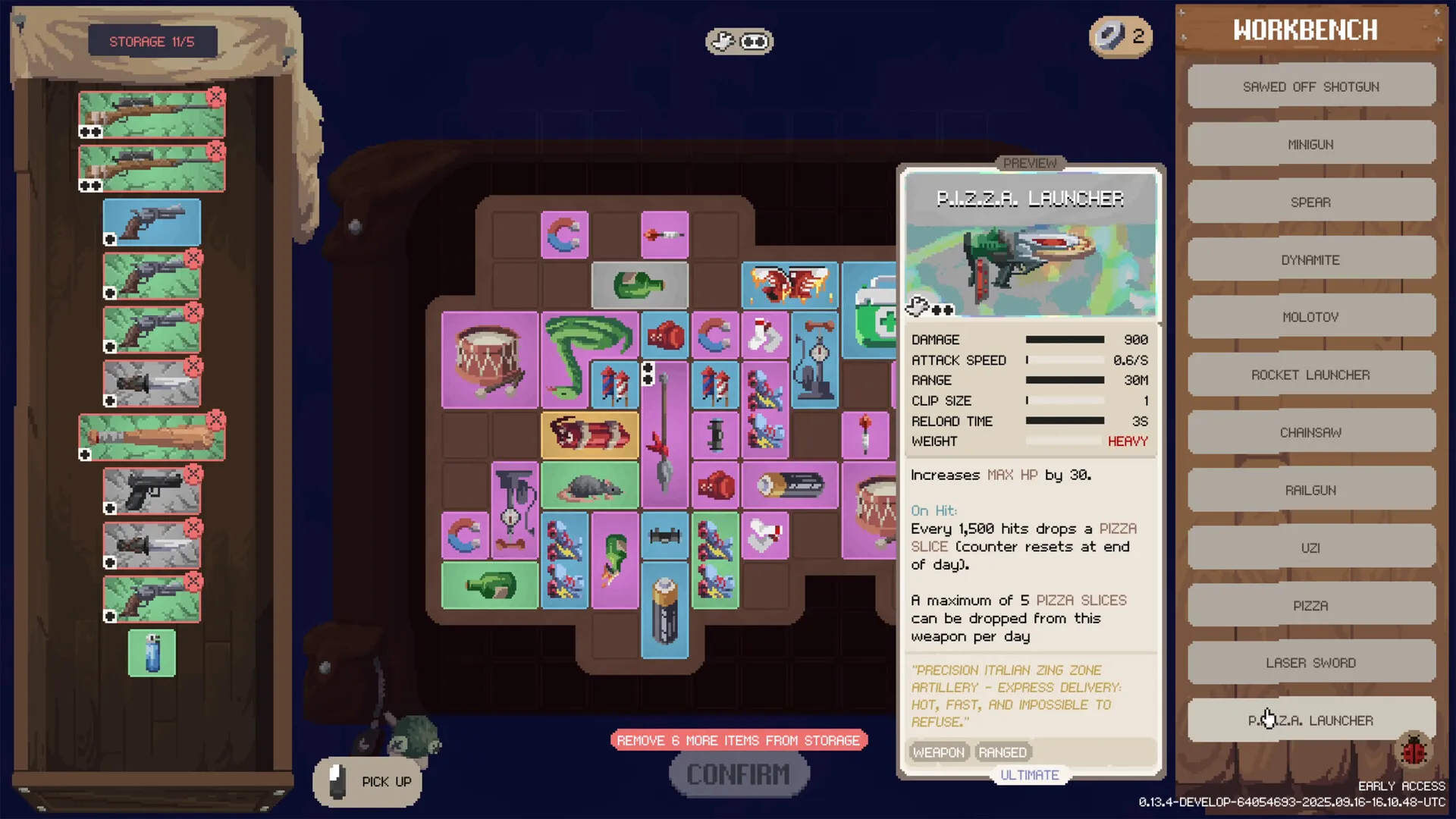
6. Inventory Limits and Deferred Punishment
Limited storage forces difficult decisions.
Players often discard items that seem unnecessary in the moment.
Delayed regret
Discarded resources frequently become critical hours later, transforming inventory management into prediction rather than optimization.
7. Survivor Stress and Emotional Collapse
Stress builds quietly through hunger, injuries, and poor conditions.
Breakdowns occur suddenly, often during critical encounters.
Psychological fragility
Mental collapse punishes neglect more harshly than physical damage.
8. Mid-Game Realization of Irreversible Mistakes
Around the mid-game, patterns emerge.
Players recognize that earlier recruitment, routing, and spending choices cannot be undone.
This moment reframes the entire run as a consequence of early judgment rather than recent performance.
9. Late-Game Survival as Damage Control
Late-game play focuses on minimizing loss.
Players stop seeking optimal outcomes and aim merely to endure.
From strategy to triage
The game shifts from planning to crisis management, often too late to recover fully.
10. Why the Design Feels Brutally Honest
Deadly Days: Roadtrip refuses to cushion failure.
It does not scale difficulty to rescue poor planning or offer convenient resets.
This honesty makes success deeply satisfying and failure deeply personal.
Conclusion
Deadly Days: Roadtrip is not about zombies, combat, or humor. It is about consequence. By embedding long-term survival into early resource decisions and survivor composition, the game transforms minor choices into irreversible commitments. Scarcity is not a phase—it is a memory of past mistakes. In doing so, Deadly Days: Roadtrip becomes a survival experience driven less by reflexes and more by foresight, discipline, and the willingness to accept responsibility for every life on the road.