Introduction
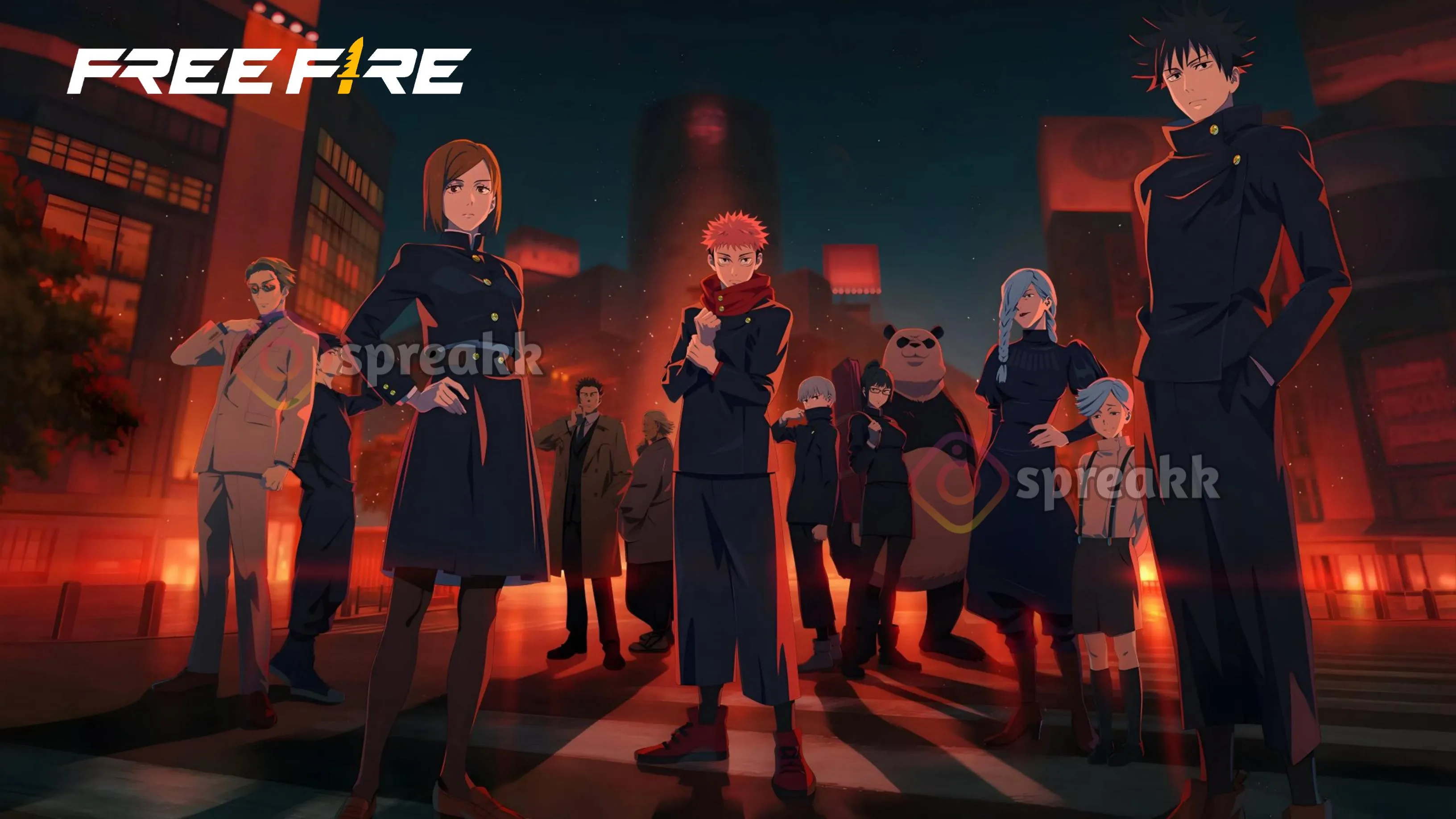
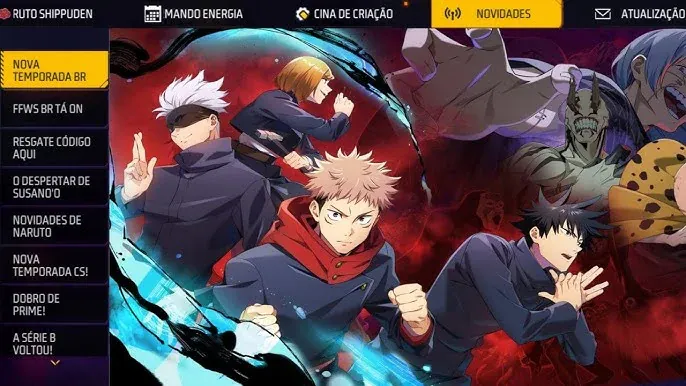
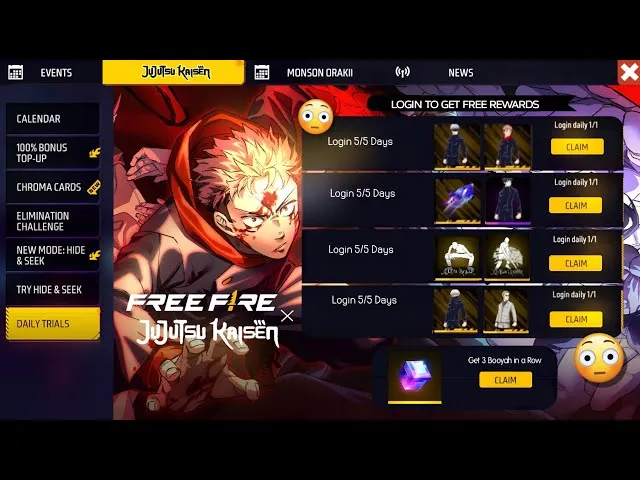
When Free Fire announced its collaboration with the globally popular anime Jujutsu Kaisen, the reaction was explosive. Social media flooded with excitement over Gojo Satoru skins, cursed energy visual effects, and anime-inspired abilities. For Garena, this crossover was not just a cosmetic event—it was a strategic move to re-energize its massive global player base and compete more aggressively with other mobile giants.
However, as the event unfolded, a deeper issue began to surface. Beneath the flashy visuals and fan-service appeal, the Free Fire × Jujutsu Kaisen collaboration sparked a growing debate about competitive balance, pay-to-win perception, and how anime-themed abilities affect fairness in a skill-based battle royale environment. This article examines how one crossover event became a defining moment for Free Fire’s competitive integrity—and what it signals for the future of mobile live-service games.
1. Why the Free Fire × Jujutsu Kaisen Collaboration Was Different
Unlike previous Free Fire collaborations, the Jujutsu Kaisen event went far beyond simple skins.
This crossover introduced themed abilities, limited-time mechanics, and anime-inspired effects that directly influenced gameplay. Characters associated with Gojo, Yuji, and Sukuna were not just visual reskins; they altered combat flow, survivability, and movement dynamics.
Subpoint: From Cosmetic to Mechanical
Earlier crossovers focused on aesthetics. Jujutsu Kaisen crossed the line into mechanics, creating immediate tension between casual enjoyment and competitive fairness.
2. The Competitive Balance Problem Emerges
Within days of the event launch, competitive players noticed changes in match outcomes.
Certain collaboration-linked skills provided advantages in close-range fights, escape potential, or cooldown manipulation. In ranked modes, these advantages became disproportionately impactful, especially in late-game circles.
Subpoint: Skill Amplification
Players with strong fundamentals gained even more dominance, while newer or free-to-play users felt increasingly disadvantaged.
3. Pay-to-Win Perception and Community Backlash
Although Garena insisted the event was balanced, perception mattered more than statistics.
Many collaboration items were locked behind gacha systems, meaning players had to spend premium currency for full access. This triggered familiar accusations: “anime skins are breaking the game.”
Community Reaction Highlights
- Increased negative reviews during event peak
- Viral clips showing ability abuse
- Esports players voicing concern on livestreams
Even if technically balanced, access inequality created distrust.
4. How Anime Abilities Changed Match Tempo
Free Fire’s traditional pacing relies on positioning, gun skill, and resource management.
The Jujutsu Kaisen mechanics altered this rhythm. Matches became faster, more aggressive, and more chaotic. Defensive playstyles suffered as offensive skills dominated engagements.
Subpoint: Shorter Fights, Less Counterplay
Players reported dying faster with fewer opportunities to disengage or reposition.
5. Esports and Ranked Integrity at Risk
The timing of the event overlapped with ranked seasons and regional tournaments.
Competitive organizers faced a dilemma: ban collaboration abilities or allow them and risk imbalance. Some unofficial tournaments restricted usage, creating inconsistency between public ranked and competitive play.
Key Issues for Esports
- Rule fragmentation
- Viewer confusion
- Reduced emphasis on gunplay fundamentals
6. Casual Players vs Competitive Players: A Growing Divide
The collaboration highlighted a widening gap in Free Fire’s audience.
Casual players loved the anime fantasy. Competitive players felt the game was drifting away from skill purity. Both groups were right—and that tension defines Free Fire’s current identity crisis.
Subpoint: Two Games in One
Free Fire is now balancing entertainment spectacle and esport credibility simultaneously.
7. Monetization Strategy Under the Spotlight
From a business standpoint, the crossover was a success.
Spending surged during the event period, proving anime IPs drive engagement. However, monetizing gameplay-affecting content risks long-term trust erosion.
Monetization vs Longevity
Short-term revenue gains can damage long-term competitive ecosystems if unchecked.
8. Developer Response and Mid-Event Adjustments
Garena responded faster than in past controversies.
Balance tweaks were quietly deployed, cooldowns adjusted, and some effects toned down. However, lack of transparent patch notes frustrated competitive players.
What Players Wanted
- Clear communication
- Separate casual and ranked tuning
- Temporary ranked restrictions
9. What This Means for Future Anime Crossovers
The success of Jujutsu Kaisen ensures more anime collaborations are coming.
The real question is how they will be implemented. Players now expect visual spectacle—but demand mechanical restraint.
Lessons Learned
- Keep crossover mechanics optional
- Avoid ranked-impacting abilities
- Prioritize clarity over novelty
10. Free Fire’s Crossroads: Entertainment or Competition?
The Free Fire × Jujutsu Kaisen event will be remembered as a turning point.
It proved anime crossovers can massively boost engagement, but also exposed the fragility of competitive balance in mobile shooters. How Garena responds will define Free Fire’s future for years.
If handled carefully, crossovers can coexist with fair play. If not, the line between fun and frustration may permanently blur.
Conclusion
The Free Fire × Jujutsu Kaisen collaboration was more than a marketing event—it was a stress test for mobile battle royale design. By introducing anime-inspired mechanics into live competitive environments, Garena sparked a necessary conversation about fairness, monetization, and player trust.
While the event succeeded commercially and culturally, it revealed that even beloved anime IPs can destabilize gameplay if not carefully controlled. As Free Fire continues to evolve, this crossover stands as both a triumph and a warning: spectacle should never overshadow competitive integrity.
160-Character Summary
Free Fire × Jujutsu Kaisen thrilled fans but sparked controversy over balance, pay-to-win perception, and competitive integrity in mobile battle royale.