.webp)







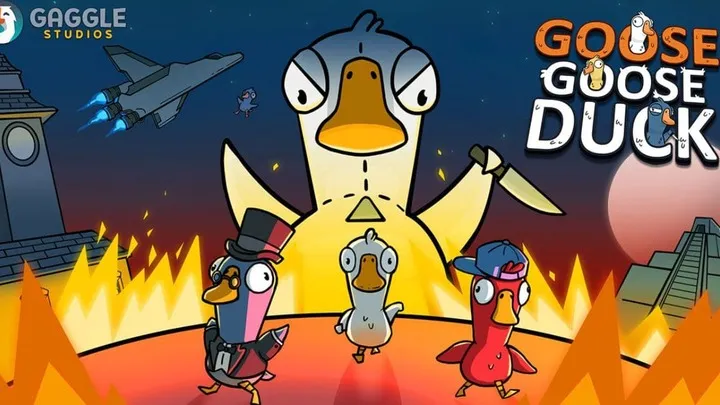
Goose Goose Duck is a social deduction multiplayer game developed by Gaggle Studios. Similar to classic deception games, players are divided into different roles where teamwork, strategy, and manipulation determine victory.
In each match, players take the role of Geese, Ducks, or special neutral characters with unique objectives. Geese must complete tasks and identify the Ducks, while Ducks secretly eliminate players and sabotage the team. Communication, observation, and deception are essential for survival. This guide explains how to improve your gameplay, understand roles, and increase your chances of winning.
1. How to Understand the Main Roles
Every match in Goose Goose Duck revolves around role-based gameplay.
The two primary factions are the Geese and the Ducks. Geese work together to complete tasks and expose enemies, while Ducks secretly eliminate players without getting caught.
Main role categories include:
- Geese focused on teamwork and tasks
- Ducks focused on sabotage and eliminations
- Neutral roles with unique objectives
- Special support or investigative roles
Understanding your role is the first step toward victory.
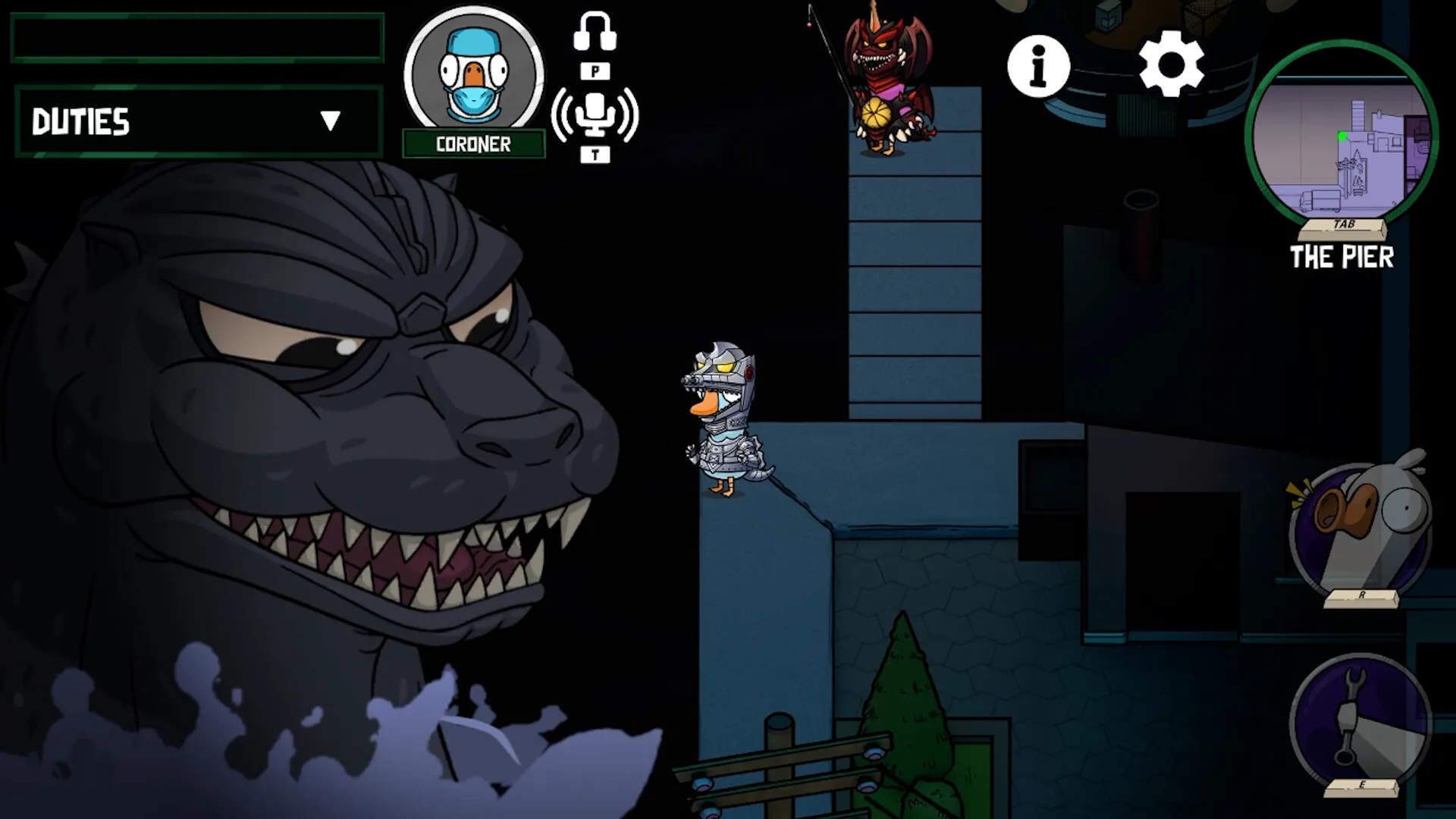
2. How to Play Effectively as a Goose
Geese win by completing tasks or identifying all hostile players.
As a Goose, survival and information gathering are extremely important. Observing player behavior helps expose suspicious activity.
Goose strategies include:
- Staying near trustworthy players
- Completing tasks efficiently
- Remembering player locations
- Reporting suspicious actions quickly
Careful observation helps protect the team.
3. How to Win as a Duck
Ducks rely on deception and stealth to eliminate players without revealing themselves.
Acting naturally and blending into the group are essential for survival.
Duck gameplay tips include:
- Pretending to complete tasks
- Avoiding suspicious movement patterns
- Creating confusion during discussions
- Eliminating isolated players quietly
A convincing performance makes deception much easier.
4. How to Use Special Roles Properly
Many matches include unique roles with special abilities.
Some characters can investigate others, protect teammates, or manipulate information during meetings.
Special role strategies include:
- Understanding your unique abilities
- Timing abilities carefully
- Sharing important information wisely
- Avoiding unnecessary risks
Special roles can dramatically influence match outcomes.
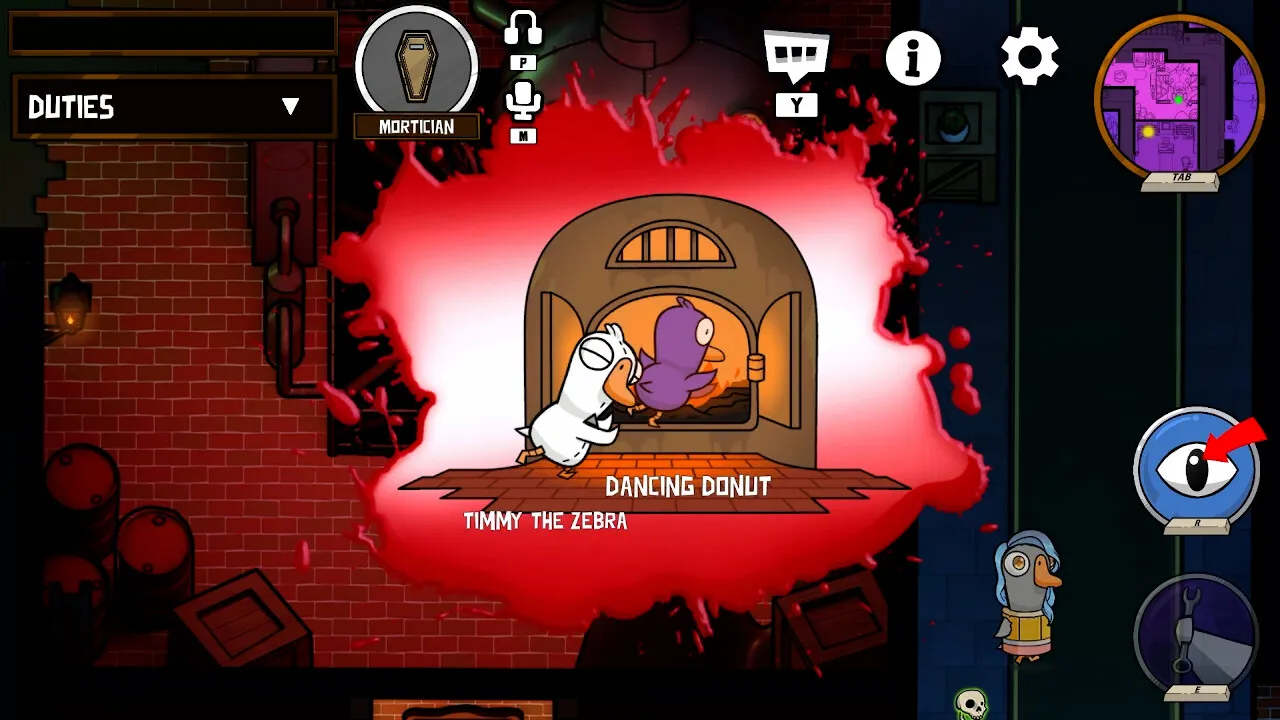
5. How to Complete Tasks Efficiently
Tasks are one of the main objectives for Geese players.
Completing all tasks results in victory, but task locations can also create dangerous situations where Ducks attempt eliminations.
Task completion tips include:
- Memorizing task locations
- Traveling with teammates
- Avoiding isolated areas
- Finishing quick tasks early
Efficient task completion pressures the Ducks.
6. How to Survive Emergency Meetings and Discussions
Discussion phases are where players exchange information and vote out suspicious individuals.
Strong communication skills are critical during these moments.
Meeting strategies include:
- Speaking clearly and confidently
- Sharing useful observations
- Avoiding emotional accusations
- Watching for contradictory statements
Good communication often determines who survives.
7. How to Detect Suspicious Behavior
Identifying enemy players requires paying attention to movement patterns and strange decisions.
Players acting inconsistently may reveal hidden intentions.
Common suspicious signs include:
- Faking task completion
- Following isolated players
- Avoiding group interactions
- Providing inconsistent explanations
Careful observation improves deduction accuracy.
8. How to Use the Map and Positioning
Map awareness is important for both survival and deception.
Knowing escape routes, high-traffic areas, and isolated zones helps players make better decisions.
Positioning tips include:
- Avoiding dangerous isolated rooms
- Staying aware of nearby players
- Using cameras or surveillance tools
- Learning map layouts thoroughly
Good positioning increases survival chances.
9. How to Play Neutral Roles Successfully
Neutral roles often have unique win conditions separate from Geese or Ducks.
These characters may need to survive, manipulate others, or complete secret objectives.
Neutral role strategies include:
- Remaining unpredictable
- Avoiding unnecessary attention
- Adapting to changing situations
- Using confusion strategically
Neutral gameplay requires flexibility and creativity.
10. How to Improve Your Overall Gameplay
Long-term success in Goose Goose Duck comes from improving observation, communication, and strategic thinking.
Experienced players learn how to read behavior patterns and manipulate discussions effectively.
Improvement strategies include:
- Learning all available roles
- Practicing communication skills
- Studying experienced players
- Reviewing mistakes after matches
Consistent experience improves decision-making.
Conclusion
Goose Goose Duck delivers an entertaining social deduction experience where strategy, deception, and communication determine survival. Whether playing as a helpful Goose, a deceptive Duck, or a unique neutral role, success depends on observation and smart decision-making.
By mastering role mechanics, improving communication, and learning player behavior patterns, you can greatly increase your chances of winning every match.