How to Play and Master Baldurs Gate 3 A Complete Strategy Guide

Baldurs Gate 3 is one of the most expansive role playing adventures ever created, blending classic Dungeons and Dragons mechanics with deep story driven choices and tactical combat. New players can feel overwhelmed by the scale of decisions, the branching narrative, and the many layers of its gameplay systems. This how to guide walks you through everything you need to know, from building the perfect character to commanding your party, winning battles, managing relationships, and navigating the world with confidence.
The beauty of Baldurs Gate 3 lies in its freedom. No two playthroughs look the same. Every decision influences the future, every combat encounter has multiple solutions, and every companion becomes part of your evolving story. To master the game, you need a blend of strategy, creativity, and adaptability. This guide follows a logical progression of 10 major sections to help beginners and returning RPG players develop strong habits and smart decision making.
Whether you want to experience the story, dominate tactically, or explore every hidden path, this guide will equip you with the tools, strategies, and understanding needed to enjoy Baldurs Gate 3 to the fullest.
How to Create the Best Character for Your Playstyle
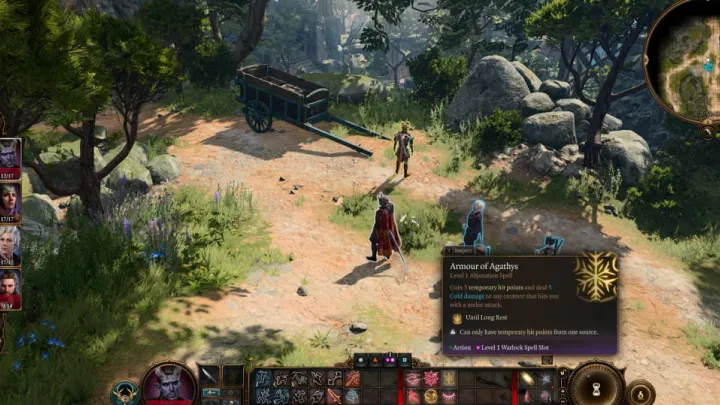
Creating your character is the first major decision in Baldurs Gate 3, and it will shape your entire journey. Class, race, skills, spells, and background all influence your strengths and weaknesses. To begin, ask yourself what type of gameplay you enjoy most. Do you prefer stealthy approaches, magical destruction, or tanking enemies up close? Your answer determines your ideal class.
Classes like Fighter, Barbarian, and Paladin are perfect for players who want direct combat and simple positioning. Spellcasters like Wizard, Sorcerer, and Warlock demand more planning but offer incredible power. Rogue and Ranger reward players who enjoy control, mobility, and precise strikes. Meanwhile, hybrid classes like Cleric, Bard, and Druid offer support, healing, and creative problem solving.
Your race amplifies your class choice. Elves excel at dexterity builds. Dwarves make excellent tanks. Tieflings gain natural fire resistance. Backgrounds add skills and role playing flavor. Together, these choices form a strong foundation. Always select proficiencies that complement your class. Strategic character building ensures smooth progression and unlocks unique dialogue options that influence the story.
How to Build the Perfect Party Composition
While your main character is important, Baldurs Gate 3 thrives on party synergy. A balanced party includes a frontline attacker, a ranged or stealth specialist, a magic user, and at least one support or healer. Although the game allows flexibility, certain roles become essential in tough encounters.
A standard party might include a Fighter or Paladin to tank damage, a Rogue for stealth and burst damage, a Wizard or Sorcerer for area spells, and a Cleric or Bard for healing and buffs. Each companion brings unique personalities and quests, meaning your party composition affects not only battle performance but story interactions.
You can experiment with unconventional builds, such as multiple spellcasters or double rogues, but ensure your team can handle healing, crowd control, damage, and utility. Understanding each companions strengths helps you assign tasks efficiently. A well built party reduces frustration, saves resources, and ensures you are prepared for every scenario.
How to Explore the World and Discover Hidden Opportunities
Exploration is one of the most rewarding aspects of Baldurs Gate 3. The world is filled with secrets, loot, shortcuts, hidden quests, and environmental interactions. To explore effectively, slow down and observe your surroundings. Many puzzles and treasures are easy to miss if you rush.
Environmental clues often point to hidden rewards. Loose rocks may reveal caves. Strange symbols might activate magical mechanisms. Cliffs hide jumpable paths. You can use abilities such as jump, teleport, flight, or shapeshifting to reach areas that appear inaccessible. Spells like Detect Thoughts or Speak with Animals unlock new story paths.
Talking to every NPC, reading notes, interacting with objects, and experimenting with spells deepen your experience and help you progress. Always save frequently so you can test bold ideas without fear. Exploration rewards creativity and curiosity, ensuring no two journeys feel the same.
How to Master Turn Based Tactical Combat
Combat in Baldurs Gate 3 is strategic, turn based, and heavily influenced by positioning, terrain, and initiative order. To succeed consistently, understand action economy. Each character has actions, bonus actions, movement, and reactions. Managing these efficiently can determine victory.
Positioning is crucial. High ground gives ranged attackers accuracy and damage bonuses. Bottlenecks help tanks control enemy movement. Flanking with stealth characters increases critical hit chances. Area of effect spells can devastate grouped enemies, especially when combined with environmental hazards like explosive barrels, fire surfaces, and water currents.
Buffs and debuffs are equally important. Spells like Bless, Shield, Haste, and Slow dramatically shift battles in your favor. Crowd control spells such as Hold Person, Silence, and Web can disable enemies entirely. Smart players study enemy weaknesses and adjust tactics accordingly. Turn based combat rewards thoughtful planning rather than brute force.
How to Use Skills, Spells, and Abilities Effectively
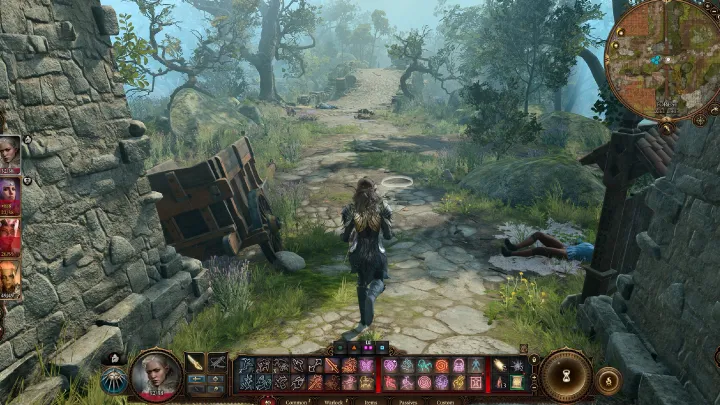
Skills and abilities define your versatility both inside and outside combat. Each skill corresponds to a specific ability score, making your stat allocation essential for effective use. High charisma benefits persuasion and deception, while high dexterity improves stealth, sleight of hand, and initiative.
Spell use is equally strategic. Some spells deal damage, others control the battlefield, and many offer utility like unlocking doors, repairing items, or revealing invisible objects. Spell slots are limited, so choose wisely. Cantrips provide unlimited casting options, making them invaluable for conserving resources.
Class features require mastery as well. Fighters have Action Surge for double actions. Rogues have Sneak Attack for burst damage. Paladins use smites for massive critical hits. Bards inspire allies. Monks unleash flurries of blows. Understanding your abilities ensures that no turn is wasted and every opportunity is optimized.
How to Manage Inventory, Gear, and Crafting
Inventory management is often overlooked, yet it greatly influences performance. Baldurs Gate 3 includes numerous weapons, armor pieces, potions, scrolls, and magical items. Organizing your inventory helps you switch quickly during combat or exploration.
Gear selection should match your character build. Strength based fighters need heavy armor and melee weapons. Dexterity characters prefer light armor and finesse weapons. Spellcasters require staves, wands, and robes that boost spellcasting. Always compare stats, effects, and bonuses before equipping gear.
Potions, oils, and consumables add tactical depth. Potions of speed, invisibility, healing, and resistance can turn a losing battle into a victory. Scrolls allow even non casters to cast spells. Crafting and combining items unlock additional upgrades, and merchants provide powerful gear that can define your build.
How to Influence Story Choices and Build Relationships
Choices matter in Baldurs Gate 3. The story changes based on your actions, dialogue choices, and treatment of companions. To shape the narrative the way you want, pay attention to dialogue tags like persuasion, intimidation, insight, and deception. High ability scores in relevant stats increase success chances.
Companions react strongly to your decisions. Kindness, diplomacy, and moral actions attract certain companions, while aggressive or selfish choices appeal to others. Your reputation influences romance options, loyalty, and special quests. Keeping companions satisfied unlocks deeper storylines and improves party synergy.
There is no right or wrong way to progress through the story. Role playing your character authentically creates unique storytelling experiences. The game supports many paths, from heroic diplomacy to morally complex decisions. Your choices define your legacy.
How to Approach Puzzles, Traps, and Environmental Challenges
Puzzles and traps add complexity and challenge to Baldurs Gate 3. Some puzzles require logic, others require spell usage or clever manipulation. Always inspect your environment carefully. Interactive elements often glow subtly. Use abilities like Investigation or Perception to uncover hidden dangers.
Traps can be disarmed by rogues or anyone with sufficient sleight of hand skill. Having at least one character capable of disarming traps prevents constant damage and resource loss. Environmental effects such as poison clouds, fire, or collapsing platforms require awareness and adaptation.
Many puzzles reward unconventional thinking. You may need to cast spells like Mage Hand to manipulate objects, Misty Step to reach platforms, or Speak with Dead to uncover clues. Solving these challenges feels rewarding and adds depth to the world.
How to Progress Through Acts and Prepare for Major Battles
Each act in Baldurs Gate 3 introduces new challenges, characters, and story developments. To survive major battles, prepare ahead by stocking potions, selecting strong spells, upgrading equipment, and reviewing each companions strengths. Do not enter boss encounters underleveled or unprepared.
Before major confrontations, rest to recover spell slots and abilities. Position your party strategically before the fight begins. Sometimes you can trigger combat with an initial advantage, such as starting from stealth or initiating from high ground. Setting traps or luring enemies into chokepoints can dramatically shift the outcome.
Boss fights test all your skills. Maintaining control of the battlefield, targeting priority enemies, and using buffs intelligently are essential. After each act, evaluate your build and consider respec options if you feel your strategy needs adjustment. Preparation is the key to conquering increasingly dangerous enemies.
Conclusion
Baldurs Gate 3 is a masterpiece filled with deep storytelling, layered mechanics, and limitless strategies. Mastering this game requires patience, creativity, and thoughtful decision making. From character creation to late game battles, every choice contributes to your unique journey.
This how to guide has introduced you to the essential skills needed to thrive in Baldurs Gate 3, covering combat, exploration, relationships, puzzles, builds, and party synergy. As you become more familiar with the systems, the world will open up in surprising and memorable ways. Let curiosity lead you, experiment bravely, and embrace the full freedom of your adventure.
Summary
A complete how to guide for Baldurs Gate 3 covering characters, combat, exploration, puzzles, builds, companions, and strategies for success.