JoJo’s Bizarre Adventure: All-Star Battle R – When Imbalance Becomes Faithful Design
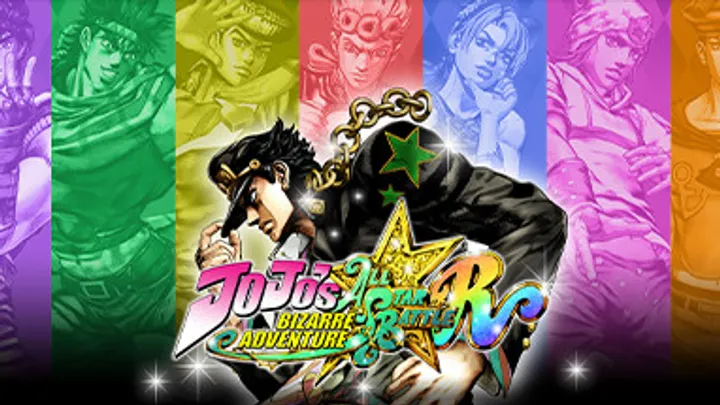
JoJo’s Bizarre Adventure: All-Star Battle R occupies a strange position within the fighting game genre. It is neither designed as a purely competitive title nor as a casual button-masher. Instead, it attempts something far more dangerous: faithfully translating the narrative logic of JoJo’s universe into a mechanical system built on rules, hitboxes, and frame data. In JoJo, power is never equal. Stands operate on absurdly specific conditions, bizarre limitations, and narrative exceptions. All-Star Battle R embraces this imbalance rather than correcting it. This article explores how the game deliberately destabilizes traditional fighting balance in order to preserve the thematic truth of JoJo, and why this design choice reshapes player expectation, skill expression, and competitive legitimacy.
1. First Matches and the Shock of Asymmetry
Early matches immediately feel unfamiliar to traditional fighting game players.
Some characters dominate neutral space effortlessly, while others struggle to approach at all. Matchups feel wildly uneven.
This is not poor tuning. It is the first signal that All-Star Battle R prioritizes narrative identity over symmetrical balance.
2. Stands as Rule-Breaking Mechanics
Stands are not standardized systems.
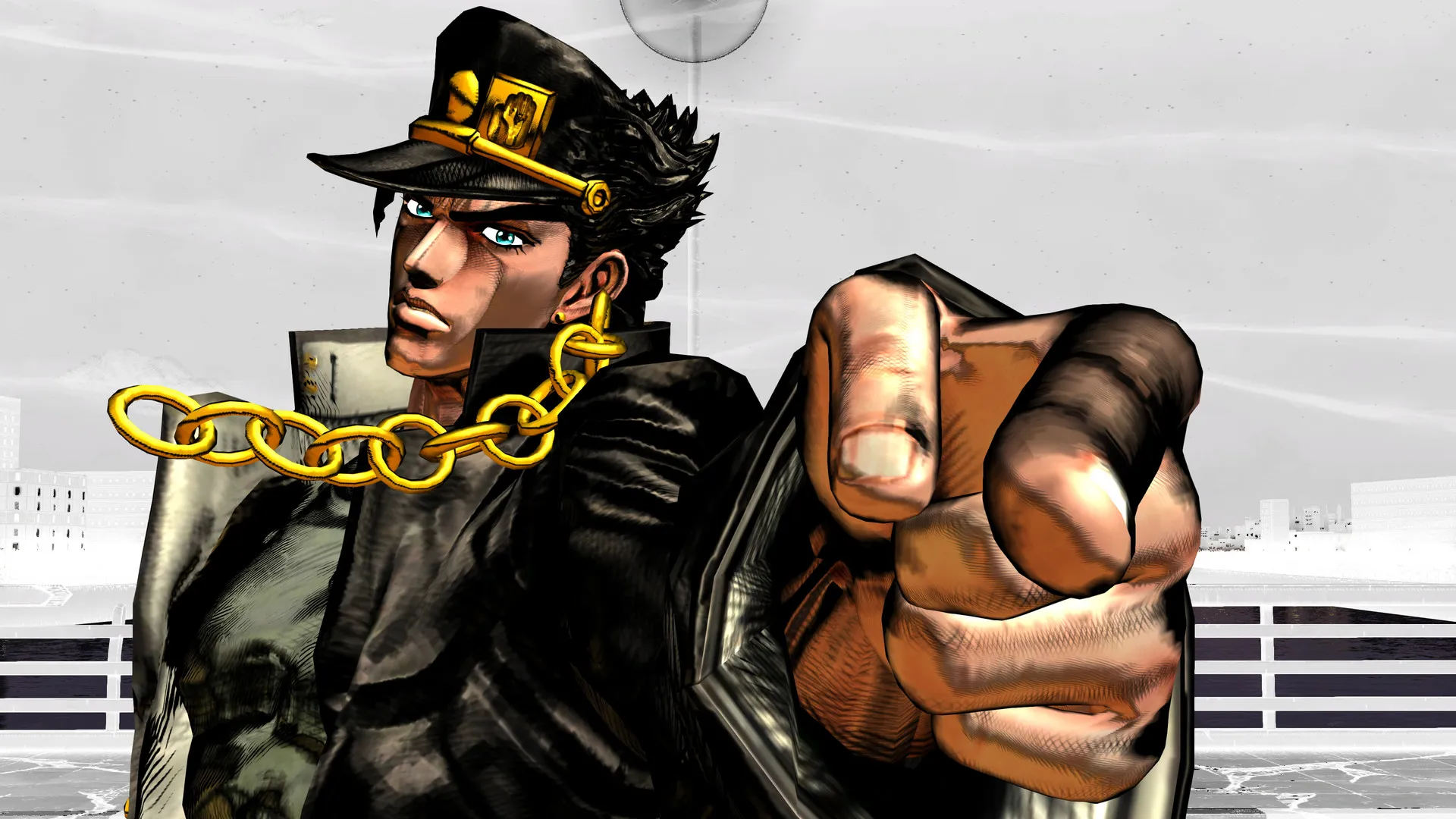
Each Stand introduces unique exceptions to movement, hit priority, space control, or resource interaction.
Power as exception
Rather than giving every character equivalent tools, the game treats each Stand as a localized rule set.
3. Assist Stands and Spatial Control Chaos
Stand projection allows attacks independent of the user’s body.
This creates layered threat zones that violate traditional spacing logic.
Invisible pressure
Players must track threats that do not correspond to visible character movement, increasing cognitive load intentionally.
4. Style Gauge and Narrative Momentum
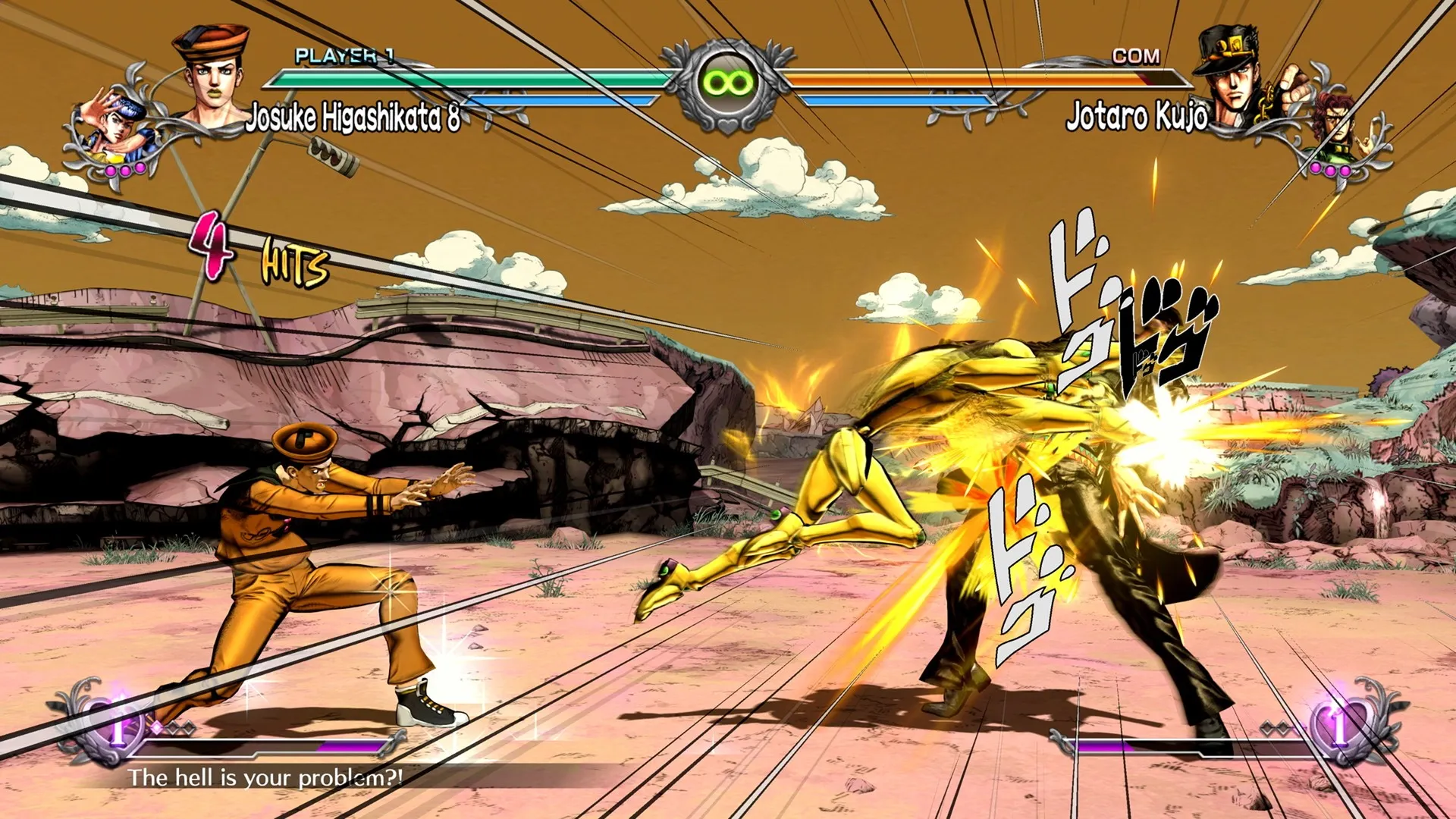
The Style Gauge rewards aggressive, expressive play.
Flashy actions generate momentum, while passive play drains narrative energy.
This system reinforces JoJo’s thematic emphasis on confidence, dominance, and spectacle over caution.
5. Heart Heat Attacks as Dramatic Authority
Super moves are not equalized in damage or utility.
Some Heart Heat Attacks end rounds decisively, while others serve as situational tools.
Cinematic imbalance
These supers prioritize emotional payoff over fairness, mirroring anime climaxes rather than tournament logic.
6. Matchup Knowledge Over Mechanical Precision
Victory often depends on knowing specific character interactions.
Execution skill alone cannot compensate for ignorance of Stand-specific mechanics.
Knowledge as survival
Players must study opponents not as archetypes, but as narrative threats with bespoke conditions.
7. Defensive Systems and Punishment Asymmetry
Defensive options vary dramatically by character.
Some fighters escape pressure easily, while others must absorb risk.
This reinforces the idea that not all JoJo characters are meant to survive equally under pressure.
8. Competitive Play and Community Friction
Competitive communities struggle with the game’s philosophy.
Tier lists fluctuate wildly, and “unfair” characters dominate discourse.
Expectation mismatch
The conflict arises not from imbalance, but from players expecting balance where the game never promised it.
9. Why Balance Patches Feel Conservative
Updates rarely normalize extreme characters.
Instead, they adjust consistency rather than power.
Preserving identity
The developers protect character absurdity as a core feature, not a flaw.
10. Faithfulness as a Design Priority
All-Star Battle R succeeds by refusing compromise.
It treats JoJo’s logic as law, even when it contradicts competitive ideals.
This makes the game polarizing, but thematically uncompromising.
Conclusion
JoJo’s Bizarre Adventure: All-Star Battle R is not broken—it is honest. By translating JoJo’s narrative imbalance directly into mechanics, the game rejects the assumption that fairness defines quality. Instead, it embraces asymmetry as expression, forcing players to adapt not just to systems, but to personalities, absurdities, and narrative power hierarchies. In doing so, it becomes less a traditional fighting game and more a playable manifesto of JoJo’s worldview, where victory belongs not to the fair, but to the bizarre.