.webp)






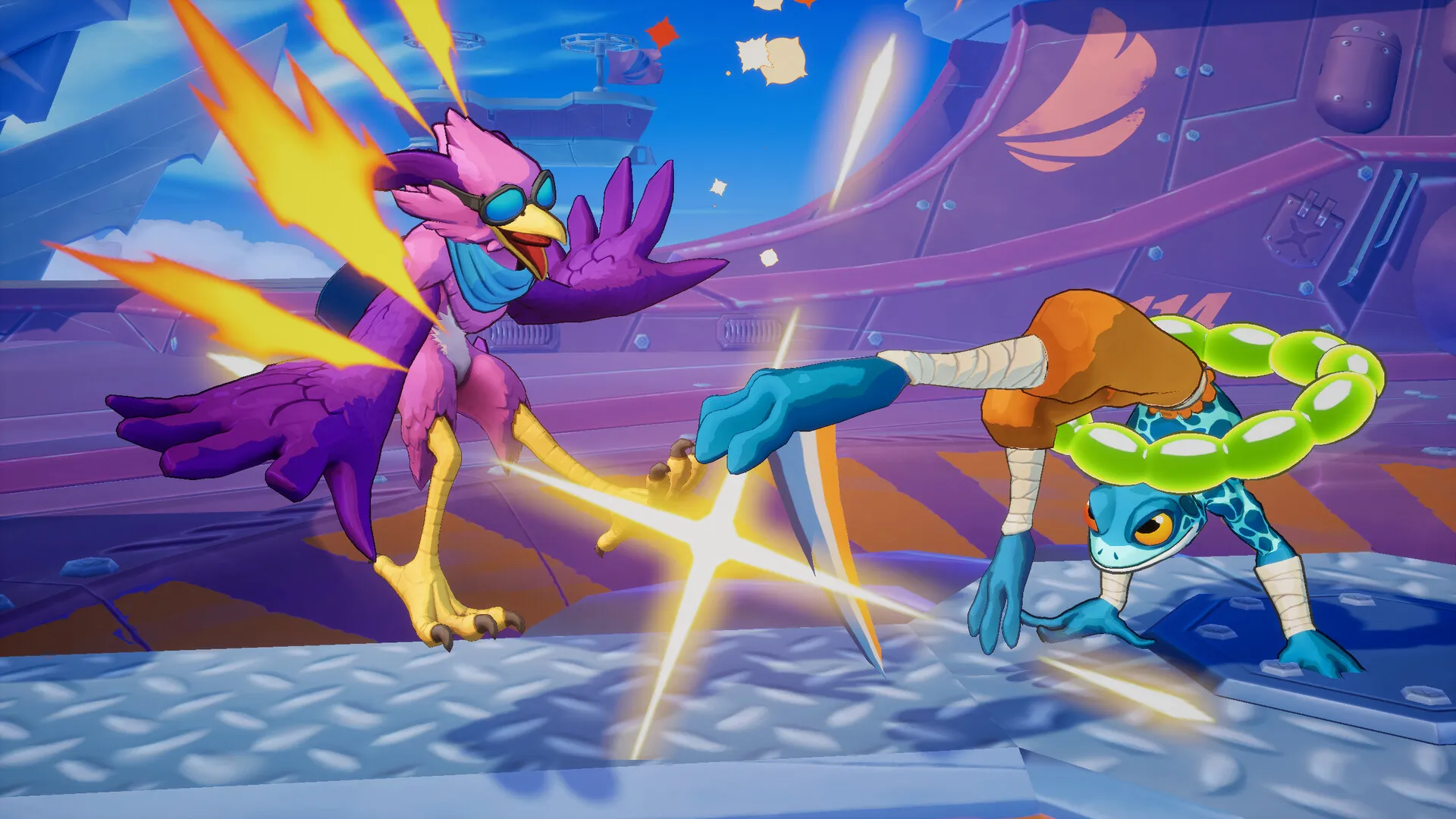
In Rivals 2, one of the biggest and most important news issues surrounding the game is not simply character balance or new content updates—it is the ongoing discussion about rollback netcode, online performance, and competitive infrastructure.
For fighting games and platform fighters, online quality is not a secondary feature. It directly affects matchmaking quality, player retention, tournament growth, ranked integrity, and even the long-term survival of the competitive scene. In Rivals 2, this issue has become one of the defining topics in community discussions, especially as more players compare the game’s online systems to modern fighting game standards.
This article explores deeply how rollback netcode works, why the Rivals 2 community is focused so heavily on online performance, how the issue evolved over time, and what the future of competitive online play could look like for the game.
Why Online Infrastructure Matters More Than Ever in Rivals 2
In older fighting games, local tournaments were the primary focus.
Today, online play is central to competitive growth.
Modern competitive reality
Most players now spend:
• Hundreds of hours online
• More time in ranked than local play
• Significant practice sessions remotely
Why infrastructure matters
Poor online systems create:
• Input delay
• Inconsistent reactions
• Unfair matches
Key insight
A competitive fighting game lives or dies based on online consistency.
Understanding What Rollback Netcode Actually Is
Many players hear the term “rollback netcode” without fully understanding it.
Traditional delay-based netcode
Older systems delay player inputs to keep both players synchronized.
Problem with delay systems
• Inputs feel slower
• Reactions become inconsistent
• Fast gameplay suffers heavily
Rollback netcode approach
Rollback predicts player actions temporarily and corrects mistakes instantly if predictions fail.
Why rollback matters in Rivals 2
Because Rivals 2 is:
• Fast-paced
• Movement-heavy
• Precision-focused
Small delays dramatically affect gameplay quality.
How Competitive Players Evaluate Online Quality
Top-level players notice online issues immediately.
What competitive players analyze
Input responsiveness
How quickly actions occur.
Match stability
Consistency during movement and combos.
Desync frequency
How often synchronization errors happen.
Why high-level play is sensitive
Advanced gameplay relies on:
• Tight timings
• Fast reactions
• Precise movement execution
Even tiny delays affect outcomes.
The Community Debate Around Rollback Expectations
The Rivals 2 community has developed strong expectations regarding online performance.
Why expectations are high
Modern fighting games increasingly support strong rollback systems.
Community concerns
• Will online ranked feel tournament-ready?
• Can cross-region matches remain stable?
• Will competitive integrity survive online play?
Key divide
Some players prioritize accessibility, while others prioritize competitive precision.
How Rollback Changes Matchup Dynamics and Meta Development
Online systems affect more than connection quality—they affect the meta itself.
Delay-based meta problems
Under heavy delay:
• Reaction-based defense weakens
• Aggressive play becomes stronger
• Precision punishes become unreliable
Rollback advantages
Rollback preserves:
• Defensive reactions
• Technical consistency
• Movement accuracy
Important consequence
The online environment directly influences character balance perception.
The Impact of Online Infrastructure on Ranked Play
Ranked systems depend heavily on connection quality.
Common ranked frustrations
• Lag spikes during key moments
• Matchmaking inconsistency
• Unstable cross-region games
Why ranked integrity matters
Players want ranking systems that reflect:
• Skill
• Consistency
• Competitive performance
Core issue
Bad online quality damages trust in ranked progression.
Tournament Evolution and the Rise of Online Competition
Online tournaments have become increasingly important.
Why online tournaments matter
• Easier accessibility
• Larger player pools
• International competition
Infrastructure requirements
Competitive online events require:
• Stable rollback
• Low latency
• Reliable matchmaking
Key insight
Strong netcode expands the competitive scene globally.
How Developers Are Balancing Performance and Accessibility
Creating strong rollback systems is technically difficult.
Development challenges
Server infrastructure
Maintaining stable performance globally.
Synchronization systems
Handling fast gameplay accurately.
Optimization
Supporting different hardware levels.
Accessibility goals
Developers also want:
• Lower entry barriers
• Smooth matchmaking
• Casual-friendly systems
Balancing both priorities is complex.
The Role of Community Feedback in Shaping Online Features
Community feedback has become a major influence.
Feedback channels
• Forums
• Social media discussions
• Competitive player testing
Common requests
• Better matchmaking filters
• Improved server stability
• Detailed connection indicators
Why feedback matters
Competitive communities often identify issues early.
Potential Future Improvements and Long-Term Expectations
The online discussion is far from finished.
Possible future improvements
Advanced matchmaking filters
Connection-based opponent selection.
Better regional servers
Reduced latency globally.
Spectator improvements
Enhanced tournament viewing tools.
Community expectations moving forward
Players increasingly expect:
• Near-offline responsiveness
• Stable ranked environments
• Competitive-quality netcode
The standard for fighting game infrastructure continues to rise.
How the Online Debate Is Defining Rivals 2’s Future Identity
The rollback netcode discussion is shaping the game’s identity.
Old platform fighter challenges
Historically, many platform fighters struggled with:
• Weak online systems
• Delay-heavy gameplay
• Inconsistent competitive support
Rivals 2 opportunity
Rivals 2 has the chance to establish itself as:
• Competitive-first
• Online-capable
• Tournament-ready
Final insight
The success of Rivals 2 may depend as much on infrastructure as gameplay itself.

Conclusion
The rollback netcode debate surrounding Rivals 2 is one of the most important news issues affecting the game’s competitive future. Online infrastructure now plays a central role in player retention, ranked integrity, tournament growth, and overall gameplay quality. As the community pushes for responsive rollback systems and stable online performance, developers face the difficult challenge of balancing technical precision with accessibility. The outcome of this effort will shape not only how Rivals 2 is played, but also how it is perceived within the broader fighting game community. In an era where online competition is more important than ever, strong netcode is no longer optional—it is foundational.