.webp)



Introduction
Horror games have evolved dramatically over the past decade, shifting from simple jump-scare machines to complex psychological experiences built on world design, pacing, systemic tension, and emotional manipulation. Yet beneath the surface of the industry's most celebrated titles lie design issues that quietly influence how players perceive fear. These flaws are rarely discussed in mainstream reviews because they require examining the deeper machinery of horror design—AI behaviors, environmental consistency, narrative pacing, and mechanical coherence.
This article analyzes five of the most popular horror games—Resident Evil Village, Outlast, Dead by Daylight, Silent Hill, and Poppy Playtime—through the lens of a specific issue each title struggles with. Instead of providing general descriptions of gameplay, this piece explores how these individual weaknesses shaped community discourse, speedrunning culture, competitive balance, and long-term player engagement.
Across ten sections, arranged according to both chronological progression and thematic relevance, we unravel how each game’s design choices strengthened or undermined its ability to terrify players.
1. Resident Evil Village and the Problem of Inconsistent Horror Identity
Resident Evil Village is widely praised for blending gothic European folklore with exaggerated survival-horror action. Yet the game reveals a core problem: an inconsistent horror identity. Instead of committing to a singular type of fear, Village jumps abruptly between psychological dread, grotesque body horror, action spectacle, and supernatural surrealism.
This identity fragmentation becomes most visible in its pacing. The game starts with claustrophobic tension in the village but quickly shifts into bombastic action during the encounters with Lady Dimitrescu and Heisenberg. The lack of thematic cohesion weakens the emotional investment in fear—players report “resetting” psychologically between sections.
The result is a horror game unsure of whether it wants to be terrifying or thrilling. While variety can be a strength, in Village it creates a disjointed emotional arc that prevents sustained dread. This inconsistency continues to influence speedrunners and challenge-seekers who see large chunks of the game as “action gaps” rather than fear generators.
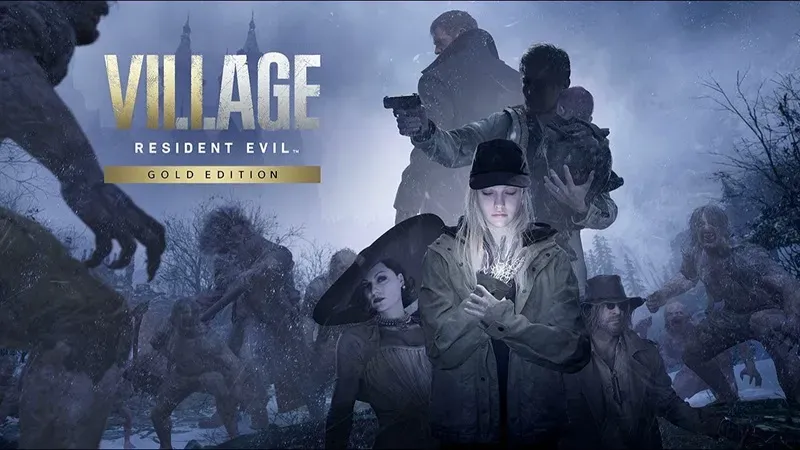
2. How Resident Evil Village’s Enemy AI Fails to Maintain Tension
Underneath its gothic façade lies another critical issue: predictable and exploitable enemy AI. Horror thrives on unpredictability, yet many of Village’s enemies walk in fixed patterns or respond sluggishly to player movement.
This issue is most pronounced in Castle Dimitrescu. The daughters, meant to be relentless pursuers, follow overly telegraphed behaviors. Experienced players know exactly when to run, loop, hide, or exploit doorways. This transforms intended chase sequences into routine patterns.
Moreover, the primary antagonists suffer from scripted progression triggers. Instead of dynamic fear, players feel they are moving through a haunted house ride—beautifully decorated but fundamentally predictable.
3. Outlast and the Limits of Powerlessness as a Horror Mechanic
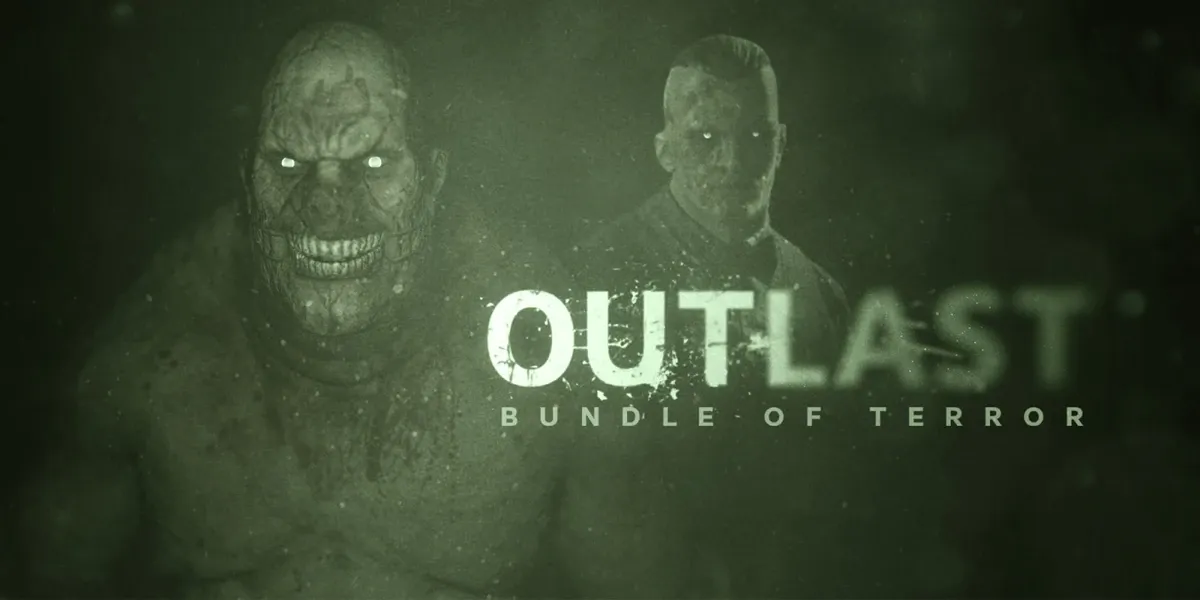
Outlast revolutionized horror by taking away combat, forcing players to hide or run. But this mechanic has a structural flaw: powerlessness loses effectiveness over time. The first hour of Outlast is terrifying, but once players understand how enemy patterns work—and realize most encounters follow strict triggers—the fear curve drops.
The over-reliance on the camcorder’s night vision also introduces mechanical fatigue. What begins as a brilliant tension device gradually becomes a repetitive loop: enter dark space, turn on night vision, navigate, repeat. Fear becomes routine.
By the late game, players feel less like victims and more like operators of a system they have fully decoded. The psychological impact diminishes, revealing the limits of pure vulnerability as a sustainable horror design philosophy.
4. Why Outlast’s Chase Sequences Become Mechanically Predictable
Outlast’s most iconic feature—its intense chase sequences—also exposes its Achilles’ heel. These sequences are scripted, linear, and ultimately solvable. Once players understand the map layout, every chase becomes a series of pre-optimized turns.
The problem deepens because the enemies cannot adapt. They cannot surprise the player with alternate routes or emergent behaviors. This predictability erodes tension on repeat playthroughs and especially for speedrunners, who reduce chases to memorized patterns.
In a genre that relies on sustained fear, Outlast unintentionally teaches players that danger is hollow. Once the mask comes off, the terror evaporates.
5. Dead by Daylight and the Ongoing Killer–Survivor Balance Crisis
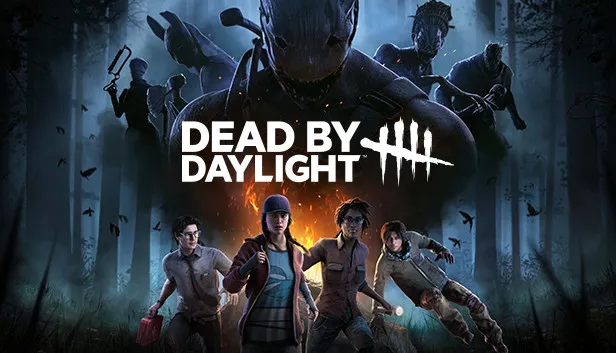
Dead by Daylight remains the world’s most popular asymmetrical horror game—but it continues to suffer from a deep, long-term design crisis: the fundamental imbalance between killers and survivors.
The game has gone through dozens of patches, perk reworks, map redesigns, and meta resets, yet the core structure still breeds frustration. Survivors have mobility, visibility, and cooperative advantages, while killers rely heavily on map pressure, anti-loop tools, and perk synergy.
This imbalance is not simply numerical—it is philosophical. The game tries to satisfy competitive players, horror fans, and casual audiences all at once. Those conflicting goals produce a constant oscillation between overpowered metas and underwhelming killer kits.
6. How Dead by Daylight’s Map Design Exacerbates the Balance Problem
A deeper issue lies in map design. Dead by Daylight maps vary wildly in size, pallet density, tile layout, and loop complexity. Some maps favor survivors overwhelmingly, giving them safe loops and long sightlines.
Killers with weak mobility or slow setups become nearly useless on these maps, while high-tier killers dominate excessively on smaller maps. This inconsistency damages competitive integrity.
The lack of procedural variation—or adaptive design—means outcomes often depend on RNG rather than player strategy. For a horror game, this creates tension for the wrong reasons: frustration instead of fear.
7. Silent Hill and the Burden of Legacy on Modern Horror Expectations
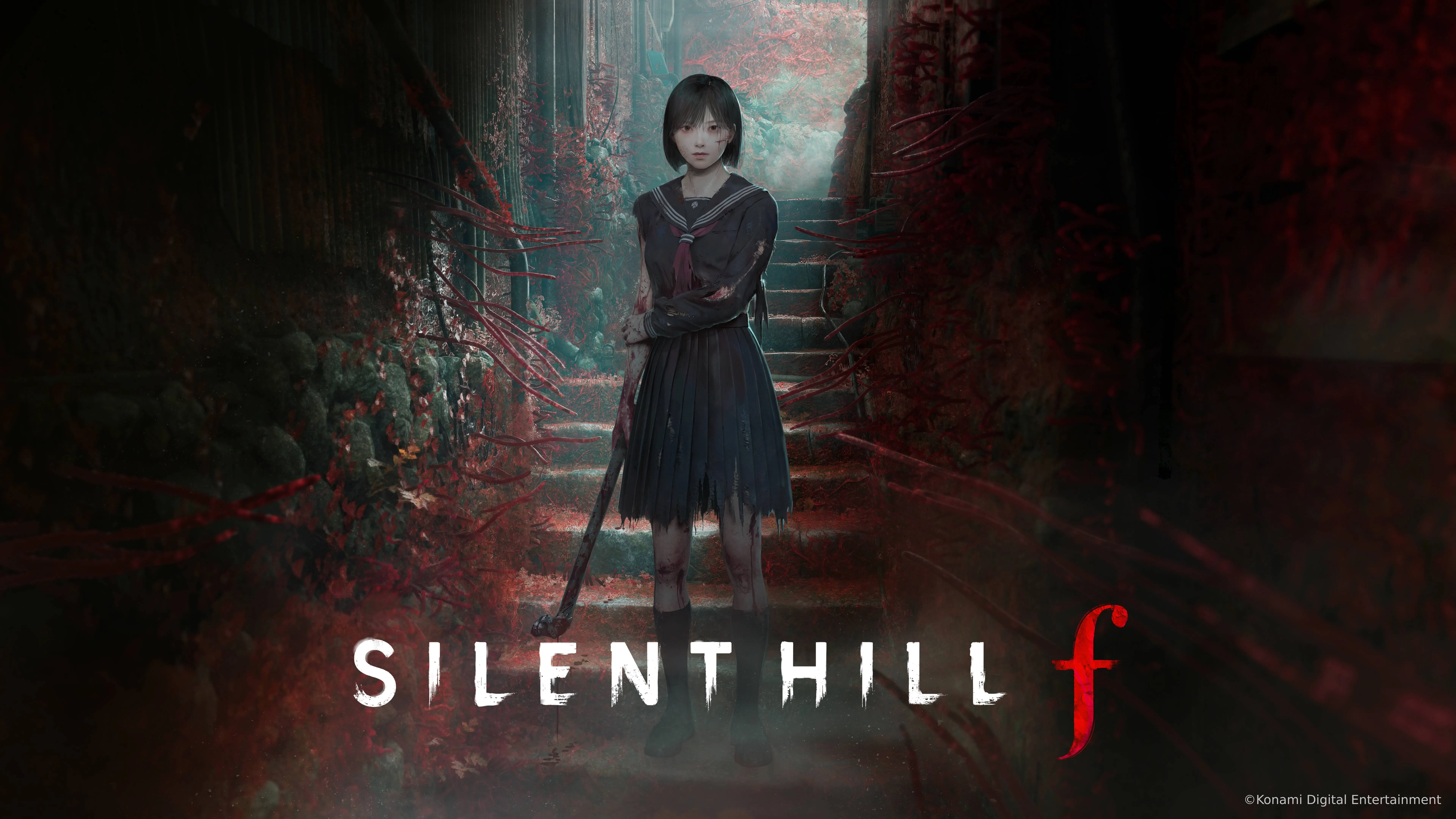
Silent Hill remains one of the most influential horror franchises ever, but its modern presence carries a specific issue: the burden of legacy. Fans expect psychological depth, symbolic storytelling, and oppressive atmosphere—yet modern industry standards demand larger scope, higher fidelity, and action-oriented pacing.
This tension makes it incredibly difficult for new Silent Hill entries to satisfy both longtime fans and newer players. Studios face the impossible task of preserving the series’ signature fog-shrouded ambiguity while also appealing to contemporary audiences who are accustomed to clarity and fast pacing.
This legacy burden results in creative hesitation. Developers risk either alienating fans or producing a game that feels like a half-hearted homage.
8. Silent Hill’s World Design Struggles Against Modern Player Behavior
Silent Hill’s oppressive environments were originally built around slow exploration, limited mobility, and thick atmosphere. But modern players move faster, optimize paths aggressively, and expect more interactive feedback.
This mismatch creates a design conflict. Slower, emotionally heavy environments no longer work the same way when players approach them through modern gameplay habits—speed, efficiency, and mechanical clarity.
Consequently, attempts to revive Silent Hill often fail to replicate the psychological disorientation the franchise is known for. The world design no longer aligns with contemporary audience behaviors.
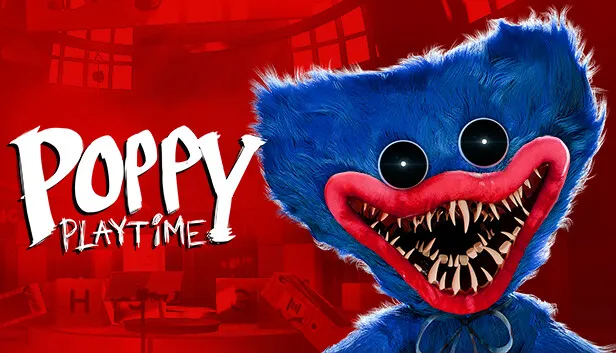
9. Poppy Playtime and the Controversy of Monetized Horror
Poppy Playtime gained massive popularity, but its biggest issue is the industry-shifting controversy around monetization in horror games. Instead of delivering a full narrative experience upfront, the game uses episodic content, paid expansions, and heavy merchandising targeted toward younger audiences.
This raises ethical and design questions. Horror traditionally relies on immersion, narrative trust, and emotional vulnerability. But when the player is constantly reminded of monetized elements—DLCs, merch tie-ins, collectible packs—the emotional atmosphere fractures.
Many fans argue that Poppy Playtime feels manufactured, using horror aesthetics as a commercial engine rather than an artistic expression. This dilutes the sincerity of the experience.
10. How Poppy Playtime’s Puzzle–Horror Balance Affects Narrative Tension
Poppy Playtime blends puzzle-solving with horror, but this hybrid exposes a tension problem. Puzzles frequently interrupt emotional momentum, pulling players out of fear and into logical, mechanical thinking.
This constant shift between analytical and emotional modes weakens the horror curve. Instead of descending gradually into dread, players oscillate between fear and problem-solving.
The design challenge is profound: puzzles require clarity, but horror thrives in ambiguity. Poppy Playtime struggles to balance these opposites, resulting in a fragmented emotional experience.
Conclusion
These five iconic horror games each suffer from unique structural issues that influence how players experience fear, agency, immersion, and narrative flow. Resident Evil Village battles with identity inconsistency and predictable AI; Outlast reveals the limits of pure powerlessness and scripted chases; Dead by Daylight remains trapped in balance issues exacerbated by map design; Silent Hill bears the weight of its own legendary status; and Poppy Playtime exposes the tension between monetization and genuine horror atmosphere.
Despite these flaws, each game contributes significantly to the evolution of modern horror. By understanding how design weaknesses shape emotional outcomes, developers can craft more cohesive and terrifying experiences in the future.
160-Character Summary
Deep analysis of five top horror games, revealing how design flaws—AI, balance, pacing, legacy, and monetization—shape modern fear and weaken long-term immersion.