.webp)




Where Winds Meet has become one of the most discussed open world action RPGs of 2025. Set during the final years of the Ten Kingdoms era, it presents a world suspended between collapse and rebirth. Blending wuxia fantasy with grounded political drama, the game delivers a sweeping narrative about honor, betrayal, shifting loyalty, and the elusive search for personal meaning in a world shaped by conflict.
In its 2025 post release updates, the narrative has been expanded with new branching quests, character arcs, alternative endings, and refined moral routes that deepen the story across multiple playthroughs. This feature examines the narrative structure of Where Winds Meet, the emotional core of its protagonist’s journey, and the thematic weight behind every choice.
A Hero Without a Fixed Path
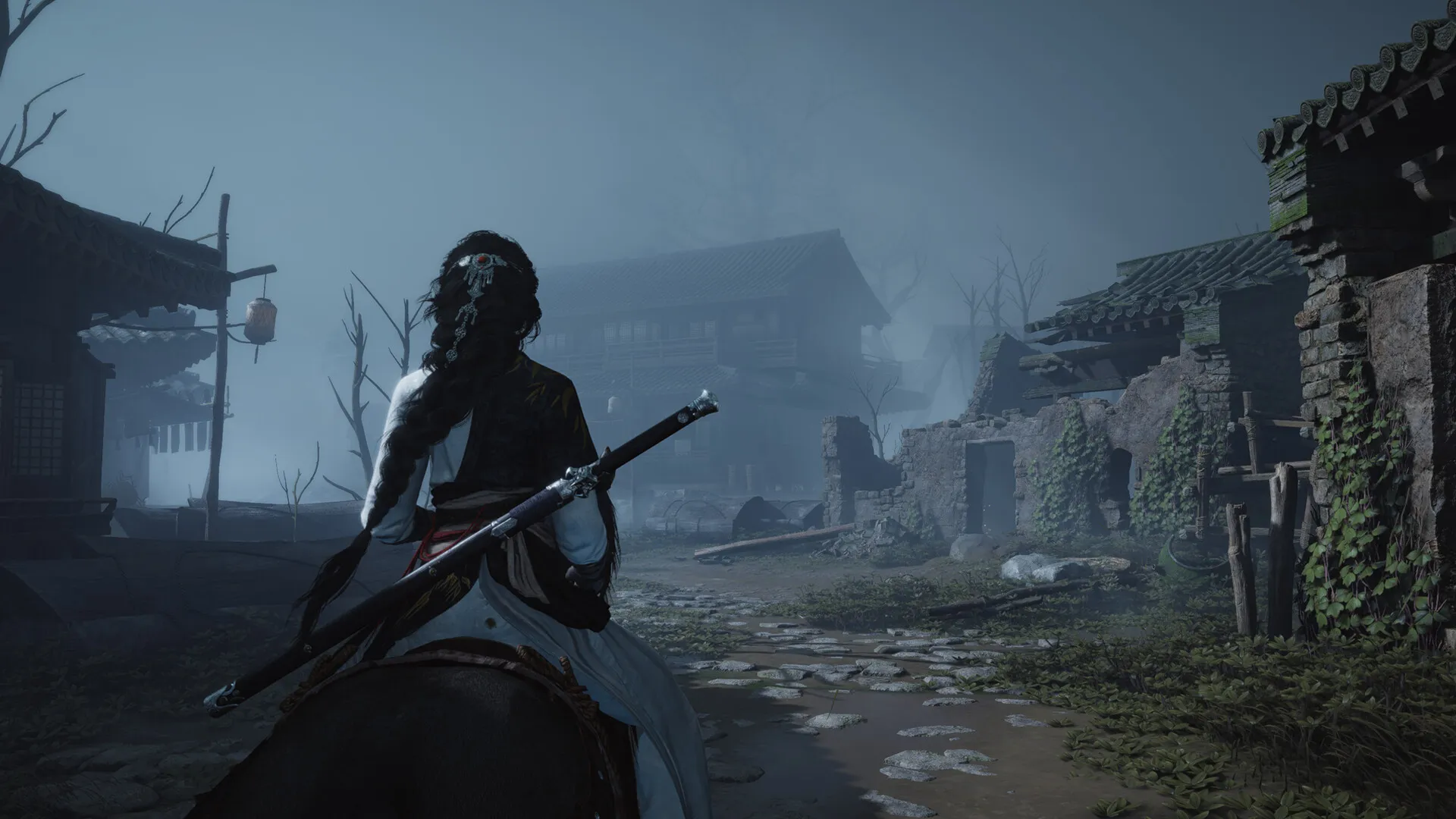
The protagonist of Where Winds Meet begins as an unnamed swordsman who awakens into a fractured land. The game does not push players into a predetermined identity. Instead, players craft their role through decisions, shifting alliances, and moral alignment. The result is a hero defined by action rather than destiny.
Identity as a Narrative Mechanic
From the start, the protagonist’s background is vague, intentionally so. This creates an open narrative space that players fill through early choices that determine:
• their views on loyalty and justice
• their involvement in political conflict
• their connection to various martial clans
• their reputation among factions and commoners
Identity evolves organically rather than through forced exposition. Every choice becomes a thread that leads the protagonist toward one of several narrative frameworks: a wandering sage, a loyalist warrior, an assassin for hire, a rebellious hero, or a conflicted antihero who struggles with moral ambiguity.
The World Shapes the Hero
Unlike traditional RPGs, Where Winds Meet uses its world as a direct storytelling engine. Regional conflicts, local rumors, and ambient events unravel pieces of history that influence how the hero responds to unfolding tensions. The land itself becomes a reflection of the protagonist’s path.
A Land on the Edge of Collapse
Where Winds Meet is set in a China on the brink of reunification. The Ten Kingdoms era is fading, and power is consolidating under new rulers. This historical turbulence sets the stage for complex political narratives.
Historical Turmoil as Emotional Context
The collapsing order is not just background lore; it is the emotional atmosphere of the entire story. Characters are caught between:
• duty to old loyalties
• desperation for survival
• ambition to rise amid chaos
• longing for peace in a violent age
The game uses large scale events like uprisings and territorial disputes to connect local stories with broader political arcs.
Every Faction Has a Human Face
Instead of painting factions as purely heroic or villainous, the narrative reveals the personal motivations driving each leader. Governors struggle against impossible odds, rebel generals fight for a future they may not survive to see, and scholars debate the nature of justice in a fractured nation. These human elements elevate the story beyond simple good versus evil.
The Art of Choice and Consequence
Where Winds Meet is built around branching narratives, but its approach differs from most RPGs. Choices affect emotional tone, relationships, and regional stability rather than just flipping binary flags.
Morality Defined Through Action
Players do not select moral labels; they express morality through difficult decisions, such as:
• whether to spare or execute bandits
• whether to intervene in local disputes
• whether to expose corruption that could destabilize a region
• whether to help a faction rise or let them collapse
Each action shapes the world’s perception of the protagonist. Reputation plays a major narrative role, determining access to certain storylines and affecting how NPCs respond.
Consequences That Echo Across the World
Actions in distant villages may influence major political events. Protecting a small settlement might secure a key alliance later. Choosing to assassinate a corrupt official could shift the balance of power within a province. This interlocking system makes the world feel reactive and alive.
Companions Who Carry Emotional Weight
Where Winds Meet features a roster of deeply developed companions whose arcs intertwine with the protagonist’s journey.
Mei Lin: Scholar of a Dying Dynasty
Mei Lin begins as a quiet historian, but her arc reveals her as a sharp political strategist. She seeks truth in a world shaped by propaganda. Her story examines the cost of knowledge and the weight of responsibility that comes with understanding history’s darkest truths.
Themes of Mei Lin’s Arc
• truth versus narrative
• intellectual courage
• sacrifice for the greater good
Mei Lin questions the protagonist’s beliefs and forces the player to reflect on the consequences of their chosen path.
Feng Jue: The Unyielding Blade
Feng Jue is a seasoned warrior defined by duty. His loyalty is absolute, but his past is filled with moral compromises that haunt him. He sees the protagonist as a chance to right old wrongs.
Themes of Feng Jue’s Arc
• honor and regret
• redemption
• competing loyalties
His personal conflict with rival clans expands into a broader commentary on the cycle of violence within the martial world.

Yun Shi: Shadow of the Old Empire
Yun Shi is an assassin trained in covert arts whose identity was shaped by the collapse of her homeland. Her quiet intensity hides a longing for belonging.
Themes of Yun Shi’s Arc
• trauma and identity
• the struggle for trust
• escape from the past
Her romance route is especially compelling, offering some of the most emotionally charged moments in the game.
Combat as Storytelling
Where Winds Meet connects gameplay and narrative in elegant ways. Combat styles, techniques, and stances reflect the protagonist’s evolving identity.
Martial Arts as Expression of Character
Players who choose to fight honorably will learn techniques rooted in tradition and discipline. Those who embrace stealth or assassination unlock methods that emphasize precision and ruthlessness. Neutral routes blend both.
The martial system becomes a symbolic language, communicating who the protagonist is becoming through their style of combat.
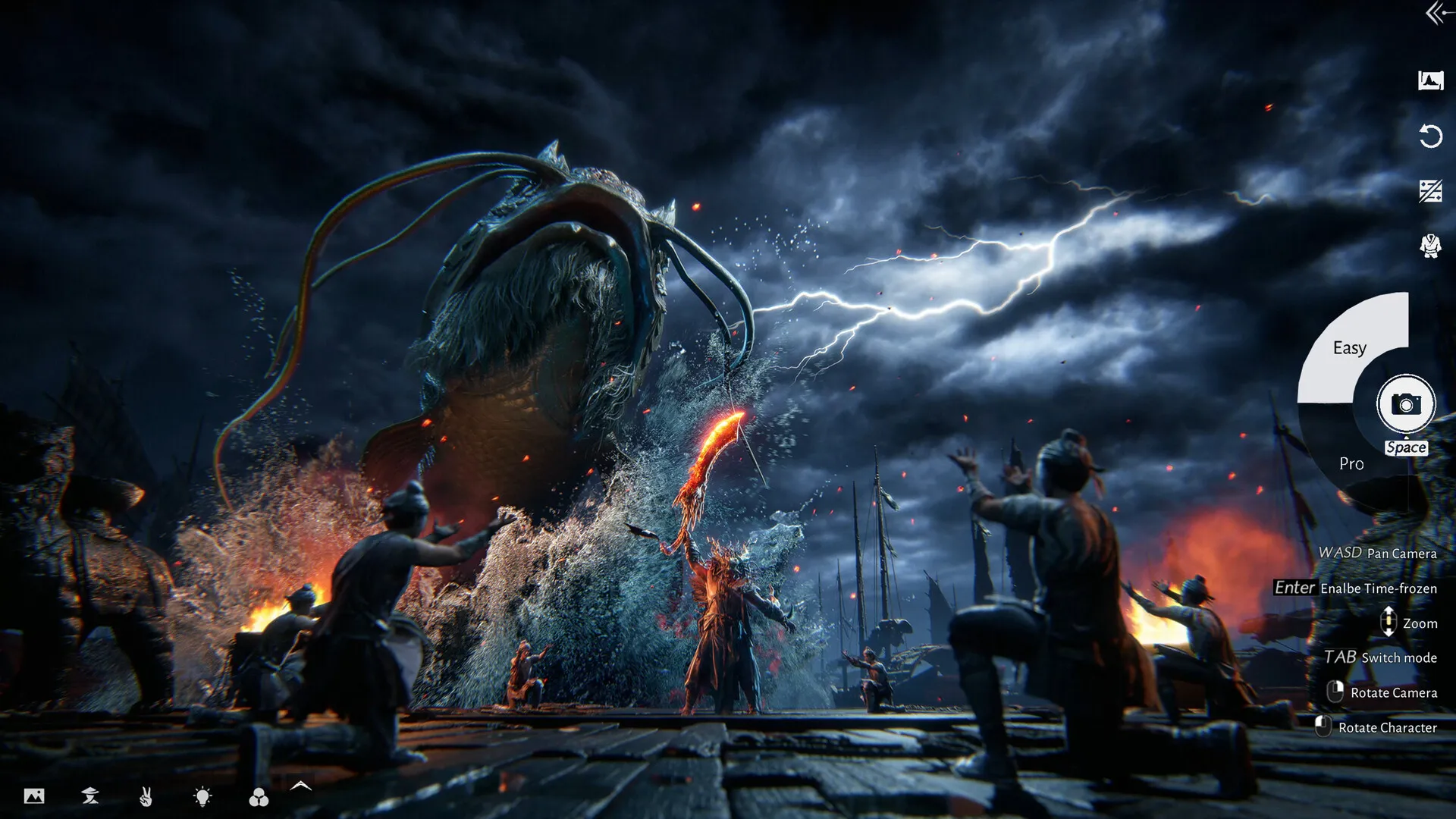
Boss Fights as Emotional Climaxes
Boss encounters are rarely random. Each major duel reflects a story beat:
• confronting a mentor symbolizes rejecting old wisdom
• facing a rival tests the protagonist’s growth
• fighting corrupted officials represents confronting the moral decay of the era
These battles carry narrative weight that elevates them beyond mechanical challenges.
The Open World as a Narrative Canvas
Where Winds Meet uses environmental storytelling on a grand scale.
Landscapes Carry Memory
Ruined temples speak of lost dynasties. Abandoned villages reveal plague or war. Prosperous towns hide political tension beneath their beauty. Exploration becomes a way of uncovering the truth behind legends and rumors.
Dynamic Events Reinforce Themes
Travelers telling stories of nearby conflicts, musicians singing ballads of fallen heroes, and occasional ambushes by rebels all work together to shape the emotional tone of the world. The land feels alive, wounded, and full of unresolved stories.
The 2025 Narrative Updates: Expanding the Epic
The developers released substantial narrative updates in 2025, refining and expanding the story across multiple systems.
New Storylines and Regional Conflicts
Several provinces now offer extended questlines exploring:
• famine relief
• border disputes
• hidden conspiracies
• the rise of new warlords
These additions make the world more interconnected and raise the stakes on political decisions.
Refined Endings Based on Moral Alignment
The updated endings offer nuanced resolutions that depend on:
• alliances
• regional stability
• companion loyalty
• the protagonist’s moral stance
Instead of definitive victory, endings present emotionally layered outcomes shaped by compromise.
Expanded Companion Arcs
Each major companion received new quests in 2025 that delve deeper into their past and their connection to the protagonist. These quests strengthen character relationships and add emotional weight to late game decisions.
A Meditation on Power and Humanity
Where Winds Meet is not only a wuxia epic; it is a philosophical exploration of power and survival.
The Cost of Ambition
Characters who seek power often find themselves ensnared by it. Generals fall to pride, governors lose humanity in pursuit of order, and rebels become what they fought against.
Compassion as Quiet Rebellion
Small acts of kindness challenge the world’s harsh structure. Healing the sick, feeding the hungry, and defending vulnerable communities create ripples that shape the ending.
Freedom in a Fragmented World
The game questions whether true freedom is possible in a world where every path demands sacrifice. Players must decide what freedom means to their version of the protagonist.
Conclusion
Where Winds Meet stands as one of the most ambitious narrative RPGs of 2025. Its branching moral structure, deeply human characters, reactive world, and sweeping themes elevate it far beyond traditional open world design. Each playthrough feels unique because identity is not predetermined but sculpted through action, emotion, and consequence.
The story thrives on ambiguity. There is no perfect path, no flawless hero, and no simple solution to the era’s turmoil. Instead, the narrative challenges players to confront their values, to forge meaning through difficult choices, and to navigate a world where honor and survival are often at odds.
Where Winds Meet is a rare achievement: a modern wuxia epic that captures the beauty and tragedy of a land on the brink of transformation, inviting players to write their own legend in winds that carry both destiny and freedom.