





World of Warships drops players into intense naval battles where strategy, teamwork, and ship mastery decide victory. Whether commanding destroyers, cruisers, battleships, or aircraft carriers, understanding ship mechanics, positioning, and tactical maneuvers is key. This guide provides a detailed path to mastering World of Warships, from early progression to advanced strategies that let you dominate the seas.
Choosing Your First Ship and Nation
Selecting the right ship and nation sets the tone for your naval career.
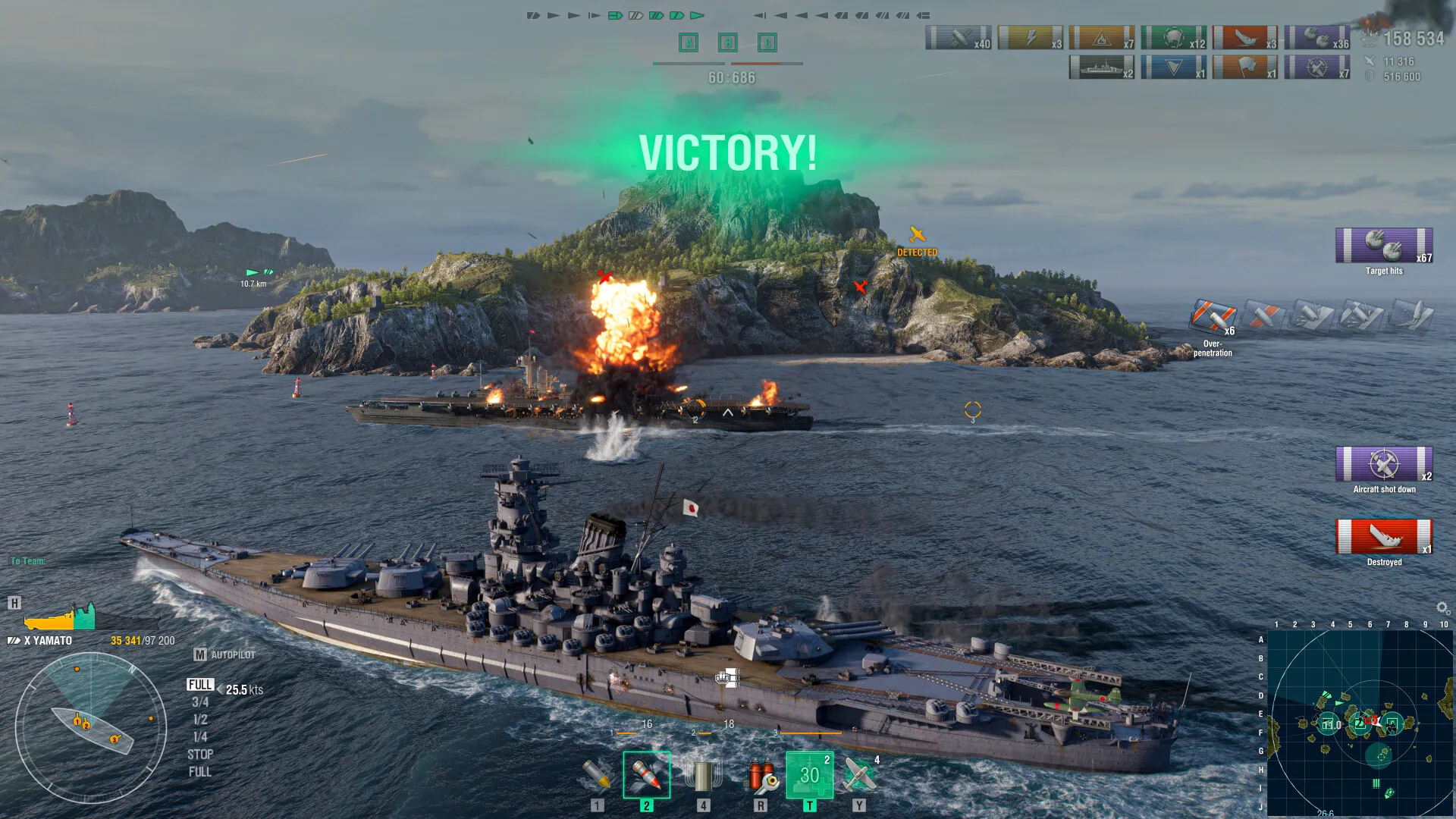
Destroyers offer speed and stealth but require careful positioning. Cruisers balance firepower and mobility. Battleships deliver massive damage but are slow and vulnerable to flanking. Aircraft carriers control the battlefield indirectly, relying on squadrons rather than direct fire.
Different nations have unique ship traits: Japan emphasizes speed and torpedoes, Germany focuses on firepower, and the US balances overall stats. Choose according to your playstyle for a smoother progression.
Understanding Ship Mechanics
Ship mechanics determine performance in combat.
Speed, maneuverability, armor, and concealment influence tactics. Learn how turning radius affects dodging shells, how ship elevation affects gun range, and how concealment helps avoid enemy fire.
Reload times, turret traverse, and secondary armament also play key roles. Mastering these elements allows for smarter engagements and survivability in battles.
Mastering Naval Combat
Combat in World of Warships is tactical and requires foresight.
Focus on angling your ship to reduce damage taken while maximizing return fire. Understand the importance of range: battleships excel at long distances, while destroyers dominate close engagements.
Aim for weak spots like superstructures or torpedo vulnerable areas. Timing your shots and anticipating enemy maneuvers separates average captains from great ones.
Torpedoes, Artillery, and Air Strikes
Each weapon type has unique uses.
Torpedoes are deadly but require predicting enemy movement. Artillery guns offer reliable damage, but shell type selection—AP or HE—is crucial based on target armor. Aircraft carriers can disable key ships from afar, altering battle flow.
Combining weapon systems effectively can wipe out entire squadrons or turn the tide in crucial matches.
Upgrading Ships and Modules
Modules enhance ship performance significantly.
Upgrade engines for speed, hulls for survivability, and guns for firepower. Consumables like repair kits, radar, and smoke generators provide tactical flexibility.
Choosing which modules to enhance first depends on your preferred role. Prioritize survivability for frontline ships and damage output for offensive vessels.
Using Map Awareness and Positioning
Awareness of terrain and enemy positions defines naval battles.
Use islands for cover, avoid open water exposure, and control choke points. Strategic positioning allows your team to dominate while minimizing unnecessary losses.
Always communicate with teammates in coordinated matches. A well-positioned group can overwhelm scattered opponents.
Teamwork and Clan Strategies
World of Warships rewards coordinated play.
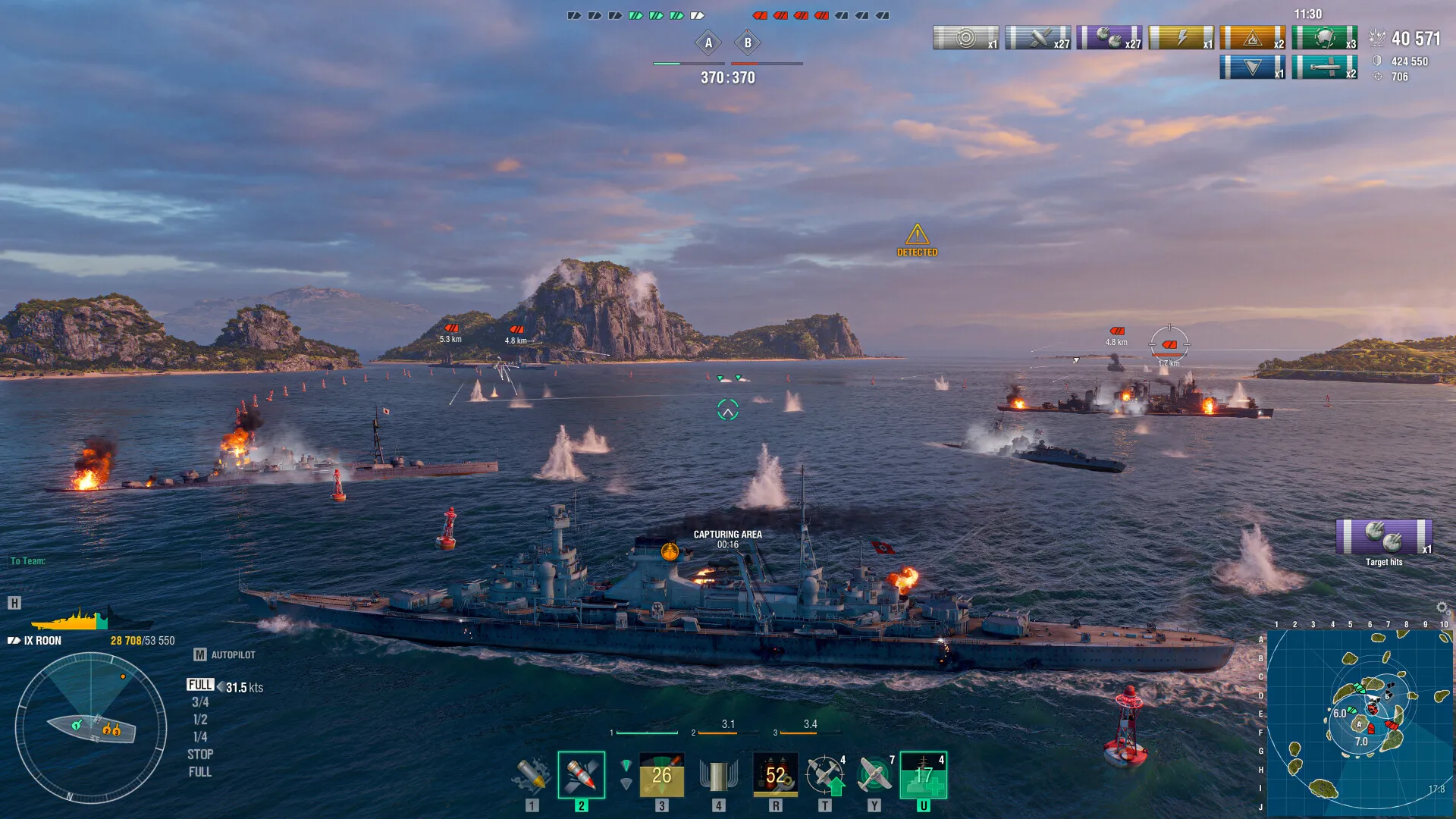
Support roles, spotting enemies, and focusing fire with teammates can quickly change battle outcomes. Joining a clan or forming squads increases success rates and provides tactical insight.
Random solo play can be risky; understanding roles and forming temporary alliances enhances your strategic options.
Economic Management and Research
Ships, upgrades, and consumables require credits and experience points.
Focus on completing daily missions, events, and achievements to maximize rewards. Efficient resource management ensures you can unlock higher-tier ships faster and equip them with optimal modules.
Plan your research path carefully: some branches offer significant tactical advantages early, while others are long-term investments.
Dealing with Late-Game Challenges
High-tier battles introduce advanced tactics and stronger ships.
Focus on learning enemy behavior, timing, and spotting strategies. Torpedoes are faster, radar ranges are longer, and battles are more intense. Adaptive strategies, situational awareness, and smart consumable use are essential.
Constant learning and adaptation ensure you remain competitive as you climb the ranks.
Participating in Events and Ranked Battles
Special events and ranked modes offer unique challenges and rewards.
Participate in time-limited campaigns to gain rare ships, camouflage, and equipment. Ranked battles test coordination, strategic thinking, and your understanding of ship mechanics under pressure.
Excelling in events can dramatically accelerate progression and provide a competitive edge in standard matches.
Conclusion
World of Warships combines strategy, teamwork, and naval mastery. By understanding ship mechanics, weapon systems, positioning, and resource management, you can dominate the seas and become a legendary captain. Smart planning, continuous learning, and coordinated play allow players to rise from novice sailors to feared leaders in high-tier naval warfare.