.webp)



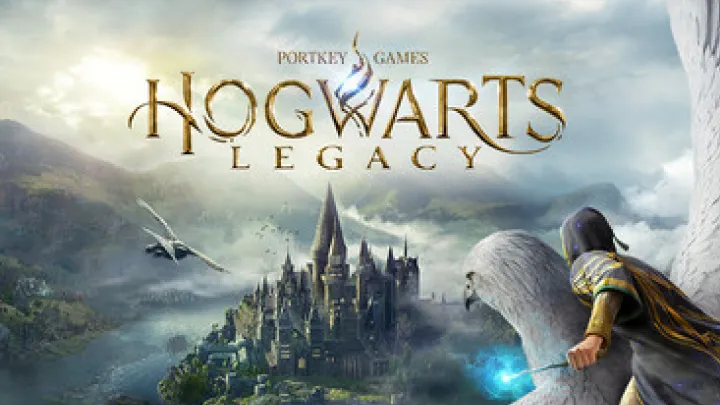
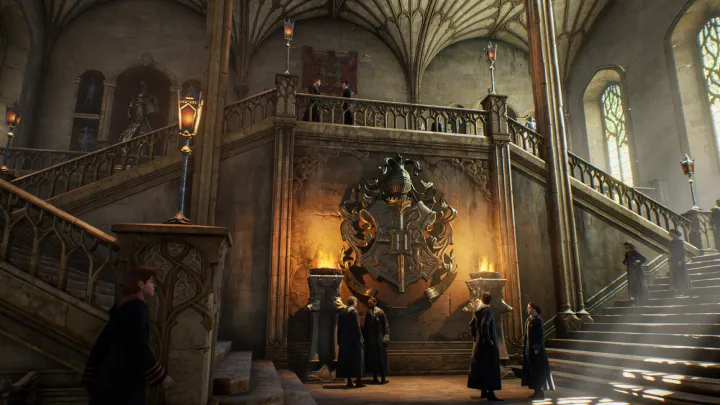
Hogwarts Legacy transports players into the enchanting world of Harry Potter, allowing them to experience life as a student at the iconic Hogwarts School of Witchcraft and Wizardry. While the game excels in world-building and immersive gameplay, one of its most compelling aspects is how it engages players with moral choices that impact not only the character's journey but also the game world itself. This article examines the theme of moral choices in Hogwarts Legacy, exploring how decisions shape character development, relationships, and outcomes, thereby creating a richer gaming experience.
Introduction
Set in the 1800s, long before the events of the Harry Potter series, Hogwarts Legacy presents players with the opportunity to carve out their unique destinies in the wizarding world. As they navigate a storyline filled with intrigue, adventure, and enchantment, players are presented with numerous moral dilemmas that encourage them to reflect on their ethical beliefs and the consequences of their actions. These choices significantly influence not only the protagonist's journey but also the relationships with other characters and the overarching narrative. This exploration of moral choices in Hogwarts Legacy adds layers of complexity to the gameplay, enriching the player's experience and engagement with the magical world.
The Framework of Choice in Hogwarts Legacy
Designing Interactivity
Hogwarts Legacy employs a well-structured framework that encourages interactivity through the game’s narrative design. This design ensures that players are consistently faced with decisions that have meaningful implications.
- Branching Storylines:
- The narrative is crafted in a way that allows for branching storylines, where players’ choices can lead to different outcomes and experiences. This non-linear storytelling creates a sense of agency, enabling players to feel that their moral values directly influence the narrative.
- These branches are often steeped in the lore of the wizarding world, integrating familiar elements that appeal to fans while also providing fresh narratives for new players.
- Dynamic Character Interactions:
- Interactions with key characters also hinge on the moral choices players make. Relationships with classmates and instructors can evolve based on decisions, creating opportunities for alliances or conflicts that genuinely affect the gameplay experience.
- This dynamic fosters an emotional connection between players and the characters, as they navigate the fallout of their choices and witness the consequences unfold.
Ethical Dilemmas
Hogwarts Legacy presents players with ethical dilemmas that challenge them to think critically about their decisions, encouraging a deeper engagement with the narrative.
- Confronting Enemies:
- Throughout the game, players face foes who sometimes wield dark magic or represent malevolent forces. The player’s choice to defeat, spare, or engage with these enemies often carries significant weight. Should they embrace a more merciful approach or uphold justice through force? This dilemma embeds moral complexity within gameplay.
- The game’s depiction of dark magic as a corrupting influence further complicates these encounters, inviting reflection on the nature of power and its monstrous potential.
- Magical Ethics:
- Players are often prompted to consider the ethical dimensions of their magical abilities, particularly when it comes to curses, hexes, and the consequences of using forbidden magic. Each spell is not merely a tool for combat; it becomes an extension of the player’s moral compass.
- Engaging with the dark arts can provide power but at a high moral cost, challenging players to weigh the benefits against the potential corruption of self.
Character Development and Moral Complexity
The Protagonist's Journey
The player character's development is central to the exploration of morality in Hogwarts Legacy.
- Personal Growth Through Choices:
- The protagonist is not a blank slate; their background and personal experiences shape reactions to moral dilemmas. Players navigate the character’s evolution, reflecting on personal growth as they wrestle with the complexities of their choices.
- Each moral decision deepens the protagonist's journey, highlighting external challenges against internal struggles to define what kind of wizard or witch they wish to become.
- Redefining Identity:
- Players can tailor their character’s attributes—including house affiliation, magical talents, and ethical alignment—leading to diverse paths of identity exploration across different playthroughs. This customization promotes the importance of self-definition and the understanding that identity can be fluid within the context of moral choices.
- The game fosters a strong connection between the player and their avatar, where decisions resonate deeply, as the protagonist is not merely a figure on-screen but an embodiment of the player’s values and choices.
Relationships with Other Characters
The relationships players forge significantly impact their journey and engage themes of loyalty, betrayal, and moral ambiguity.
- Alliances and Friendships:
- Interpersonal dynamics with classmates, mentors, and antagonists evolve based on moral choices. Trust and loyalty can be put to the test, forcing players into complicating scenarios that reveal the intricacies of relationships.
- These bonds encourage players to consider the implications of betrayal, the nature of loyalty, and their responsibilities towards others, instilling a sense of weight in every decision.
- Romantic Interests:
- For those interested in pursuing romantic relationships in the game, these choices highlight the interplay of attraction and moral alignment. Navigating romance can lead to ethical dilemmas surrounding honesty, fidelity, and social dynamics, deepening character interactions.
- Such relationships provide additional layers of complexity, emphasizing that personal feelings are intertwined with ethical considerations, creating a nuanced portrayal of humanity amidst magical exploration.
The Role of Choices in Worldbuilding
Immersive Environments
Hogwarts Legacy's world-building plays a significant role in shaping players' moral choices, allowing the environment to act as a canvas onto which choices can be painted.
- Lore and History:
- The rich history of Hogwarts and its surroundings infuses the gameplay experience. Players uncover artifacts, secrets, and the consequences of historical decisions, enabling them to draw on the past to inform their actions.
- These discoveries encourage connection to the lore, prompting players to reflect on moral choices that inform the present, reinforcing the sense that choices can ripple through time.
- Impact of Environment:
- Specific areas in the game are designed to elicit emotional responses, such as haunted locations or sites of significant historical events. Each exploration encourages players to consider the ethical ramifications of their actions, bridging the gap between the narrative and environmental storytelling.
- The connection between engaging with the environment and decision-making emphasizes the importance of place in shaping identity, encouraging deeper reflection on the relationship between actions and consequences.
Consequences That Resound
Player choices resonate throughout the world of Hogwarts while impacting not just personal experiences but also the broader narrative landscape.
- Community Impact:
- The reactions of non-playable characters (NPCs) to player actions can significantly shift the tone of interactions moving forward. Positive or negative changes in community sentiment serve as direct consequences to moral choices, reinforcing the notion that actions have repercussions on all levels.
- This interaction lends itself to a living, breathing world that feels responsive to the player’s actions, deepening immersion and emotional investment.
- Endgame Scenarios:
- Decisions made throughout the game culminate into distinct endgame scenarios that reflect the various paths the player has taken. This conclusion reinforces the importance of choices while also inviting a sense of closure or reflection on the journey.
- The varying endings challenge players to contemplate what their choices reveal about their personal values, offering an engaging exploration of identity and the complexity of moral considerations.
Navigating Guilt and Redemption
The Weight of Decision Making
The theme of guilt is intricately woven throughout the narrative, enhancing the psychological depth of character development.
- Burden of Consequences:
- Characters that players interact with often display guilt related to past decisions. These interactions encourage players to reflect upon their own choices, deepening the emotional complexity of the relationships.
- Exploring the consequences of their actions can lead to moments of self-doubt, forcing players to confront their morals and grapple with the weight of guilt.
- Paths to Redemption:
- The game offers opportunities for characters to seek redemption, highlighting themes of forgiveness and personal growth. As players assist others in navigating their guilt, they indirectly confront their own moral conflicts, leading to cathartic experiences.
- Engaging in quests that revolve around navigating past mistakes encourages reflection on personal identity and improvement, showcasing the potential for change despite difficulties.
Healing Through Choices
Choices in Hogwarts Legacy facilitate pathways toward healing, allowing the protagonist to reclaim their identity through positive actions.
- Acts of Kindness:
- By engaging in quests focusing on helping others, players enact positive moral choices, bridging the gap between guilt and redemption. These kindnesses often manifest through interactions where players can choose to uplift others or further complicate their struggles.
- Such opportunities emphasize the importance of empathy and connection in overcoming challenges, reinforcing that each action holds the potential to heal both oneself and others.
- Growth Through Experience:
- The journey through guilt often leads characters—both player-created and NPCs—to moments of realization and growth. By addressing past mistakes through their choices, characters can mend relationships and foster a sense of community, affirming the core belief that change is possible.
- This narrative growth emphasizes that identity is continuously reshaped by our choices and actions, instilling the idea that healing is an active journey involving reflection and commitment.
Fan Creations and Community Responses
Engaging the Community
The richness of the world and the depth of the moral choices in Hogwarts Legacy has sparked a vibrant community, with fans passionately engaging and interpreting the game through various forms.
- Online Discussions:
- Players frequently engage in conversations surrounding their choices, exploring the implications of their decisions on narrative outcomes. These discussions often delve into how personal values influence play styles and choices.
- Online forums, social media, and fan communities create an interactive layer where players can share offerings related to choices and their meanings, fostering a shared understanding of the game’s moral complexity.
- Fan Art and Literature:
- Inspired by the depth of character and emotional narratives, various fan creations—such as art, stories, and mods—reflect how deeply players connect with their experiences. These creations showcase personal interpretations of the themes of identity, guilt, and redemption.
- The vibrant fan culture reinforces the idea that Hogwarts Legacy transcends mere gameplay; it becomes an avenue for personal expression and exploration of the intricacies of the human experience.
The Emotional Impact of Player Experience
The commitment to creating a morally nuanced game has resonated with players, leaving a lasting impact on the gaming landscape.
- Personal Narratives:
- Players often share their journeys related to their gameplay experiences and how personal choices align with their values, fostering discussions that expand beyond mere game mechanics. These stories can reveal broader cultural narratives about identity, choice, and human connection.
- The game becomes a shared platform for discussing topics like friendship, loyalty, and morality, offering players a chance to relate personal experiences to the overarching themes presented in the game.
- Impact on Gaming Trends:
- As players call for more inclusive and emotionally resonant experiences, Hogwarts Legacy’s success highlights the demand for thought-provoking storytelling in gaming. The community’s eagerness for moral depth may impact future game development, elevating expectations across different genres.
Conclusion
Hogwarts Legacy emerges as a groundbreaking exploration of moral choices, identity, and the intricate dance between guilt and redemption. Through its richly crafted narrative, dynamic character interactions, and expansive world-building, the game invites players to engage with complex emotional themes while navigating the enchanting yet perilous world of magic.
As players make choices that shape their characters and the communities surrounding them, they confront their own beliefs, identities, and values in this immersive virtual realm. Hogwarts Legacy not only offers a captivating adventure but also serves as a poignant reflection on the human experience, inspiring thought and dialogue about morality, choice, and self-discovery.