.webp)

Summoners War is often described as a monster-collecting RPG, but for long-term players, monsters are rarely the real obstacle. The true gatekeeper of progression is the rune system: a layered structure of random drops, random main stats, random substats, random rolls, and random reappraisal outcomes. Over time, this system stops being a supplement to strategy and becomes the defining force behind success or stagnation.
This article examines a single, critical issue in Summoners War: the disproportionate power of rune RNG over skill, planning, and even roster depth. We will trace how this issue emerges, how it escalates across early, mid, and late game, and why it shapes player behavior more strongly than any other system in the game.
1. Early Game: When Rune RNG Is Invisible
In the early stages of Summoners War, rune randomness feels forgiving. Players receive usable sets from scenario drops, challenges, and beginner dungeons. Almost any 4- or 5-star rune feels like progress.
At this stage, monster selection and basic team composition matter more than rune optimization. The illusion forms that effort equals reward.
H3: The Beginner Illusion of Control
Players believe:
- Farming equals improvement
- Time invested guarantees growth
- Strategy compensates for gear gaps
H4: Why RNG Feels Fair Early
The stat ceiling is low, so variance doesn’t hurt yet.
2. Mid Game: Rune Farming Becomes the Game
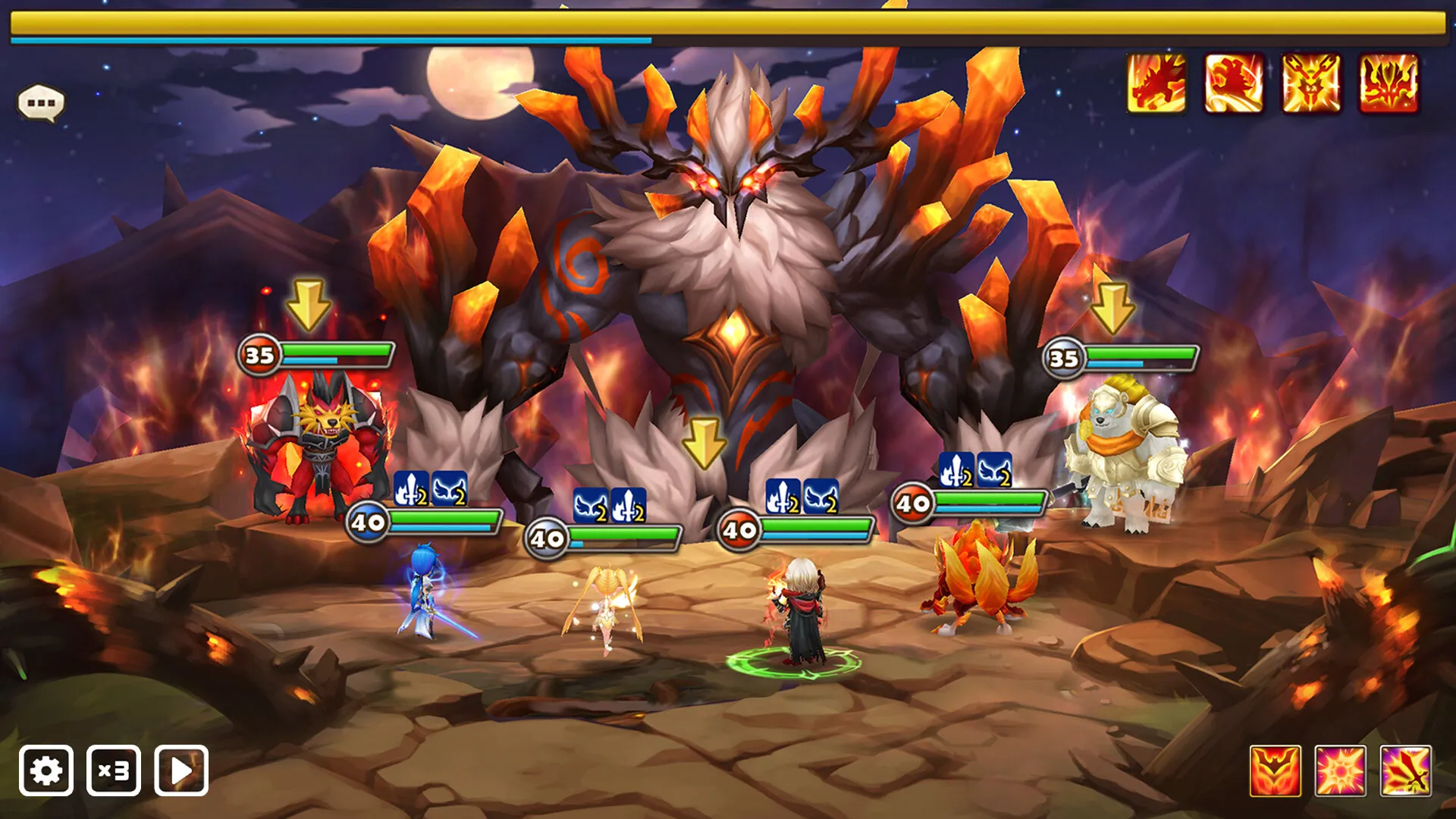
Once players reach stable B10/B12 dungeon clears, the reality shifts. Monsters stop being the bottleneck. Runes take over completely.
Progress becomes slower, and the influence of RNG becomes visible.
H3: Quantity Without Quality
Hundreds of runes drop, but:
- Most are unusable
- Many fail upgrades
- Few roll correctly
H4: Time Investment vs Reward
Effort increases exponentially while improvement becomes incremental.
3. The Layered RNG Problem
Summoners War’s rune system stacks randomness on randomness.
H3: List – Layers of Rune RNG
- Rune type and set
- Slot number
- Main stat
- Initial substats
- Upgrade roll targets
- Roll values
- Grindstone availability
- Reappraisal outcomes
H4: Compounding Probability
Failing at any one layer invalidates the rune.
4. When Strategy Loses to Statistics
At higher levels of play, optimal strategies are widely known. What separates players is not knowledge, but rune quality.
H3: Identical Monsters, Vastly Different Results
Two players can:
- Use the same team
- Follow the same turn order
- Apply the same strategy
Yet outcomes differ dramatically due to rune efficiency.
H4: Skill Ceiling Compression
Player decision-making matters less than raw stat thresholds.
5. PvP: Rune Gaps Become Walls
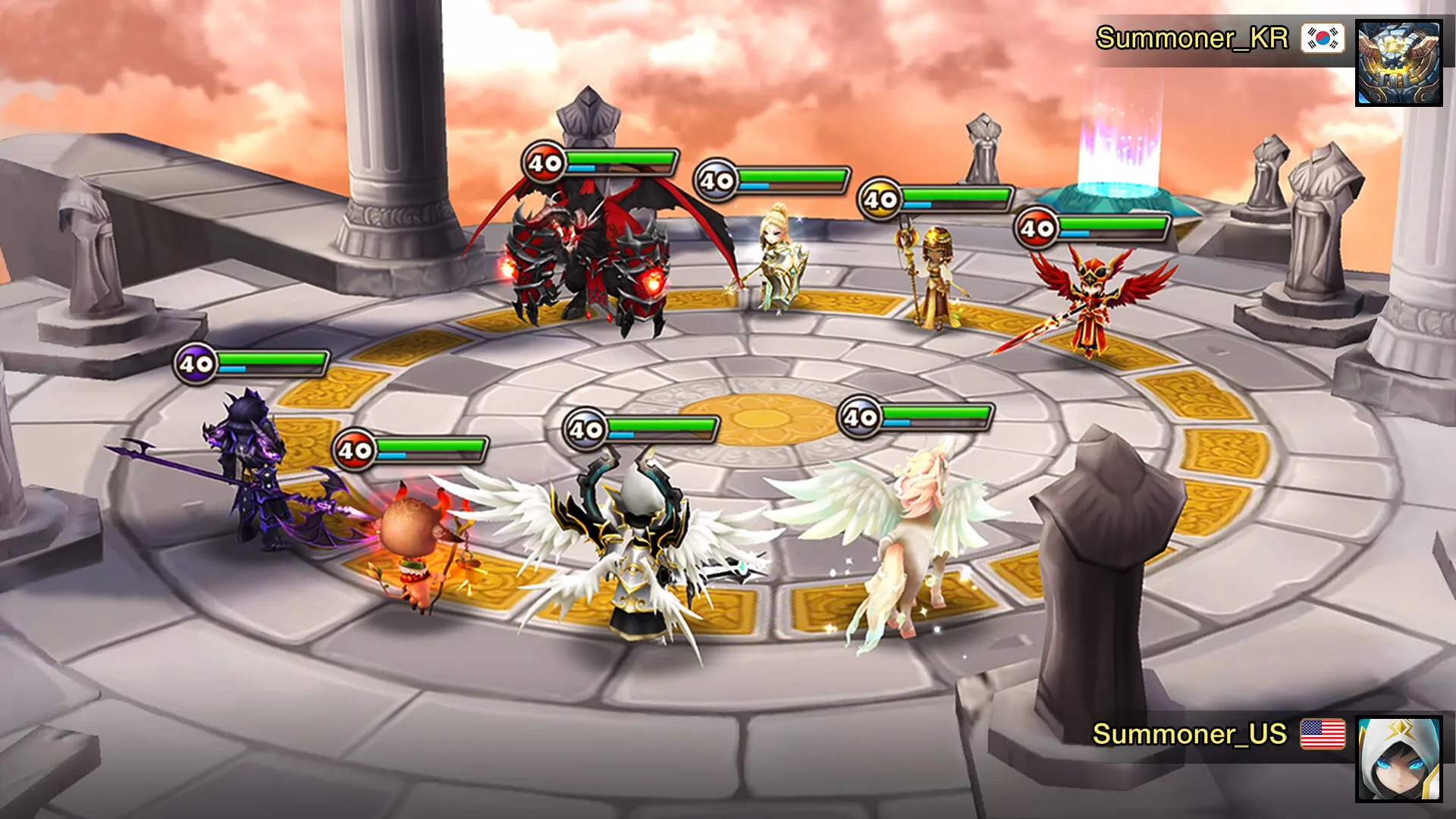
In Arena, RTA, and Guild content, rune RNG becomes brutally apparent.
H3: Speed as the Ultimate Gate
Speed rolls determine:
- First turn
- Skill denial
- Match outcome
H4: Why Strategy Fails Against Speed Gaps
You cannot outplay a turn you never get.
6. Late Game Farming: Endless, but Not Progressive
Late-game players often farm for months without meaningful upgrades.
H3: The Plateau Effect
Players experience:
- Long periods of stagnation
- Rare, sudden power spikes
- Emotional burnout
H4: Time No Longer Equals Progress
Farming becomes maintenance, not advancement.
7. The Psychological Impact of Rune RNG
Rune RNG reshapes how players think and feel about the game.
H3: Motivation Erosion
Repeated failure creates:
- Frustration
- Apathy
- Reduced experimentation
H4: Learned Helplessness
Players stop believing their choices matter.
8. Monetization and RNG Dependency
Rune RNG strongly supports Summoners War’s monetization model.
H3: Energy, Reapps, and Grinds
Monetized items don’t guarantee success—only more attempts.
H4: Spending Increases Exposure, Not Control
Even paying players remain at the mercy of randomness.
9. Community Adaptation to Rune Dominance
The community has adapted in predictable ways.
H3: Meta Compression
Only rune-efficient monsters thrive.
H4: List – Common Player Adaptations
- Copying high-end builds
- Avoiding creative comps
- Hoarding runes instead of using them
- Measuring worth by efficiency scores
Creativity becomes risky.
10. The Core Design Conflict
Summoners War wants long-term engagement, but rune RNG undermines meaningful agency.
H3: The Central Tension
- RNG creates longevity
- Excessive RNG destroys perceived fairness
H4: Possible Design Mitigations
- Partial stat locking
- Progressive pity systems for upgrades
- Rune refinement paths based on effort, not luck
These would preserve grind while restoring agency.
Summoners War is not ultimately a game about monsters, tactics, or even time investment. It is a game about surviving — and enduring — a deeply layered RNG system centered around runes. While randomness can add excitement, its overwhelming influence slowly erodes the value of skill, strategy, and planning.
For many players, progression becomes less about improving play and more about waiting for permission from probability. Until rune RNG is balanced with systems that reward effort and decision-making, Summoners War will remain a game where potential is capped not by knowledge — but by luck.